Microbiological Risks of Reusing Vaginal Applicators
Biofilm Formation on Plastic Vaginal Applicator Surfaces After First Use
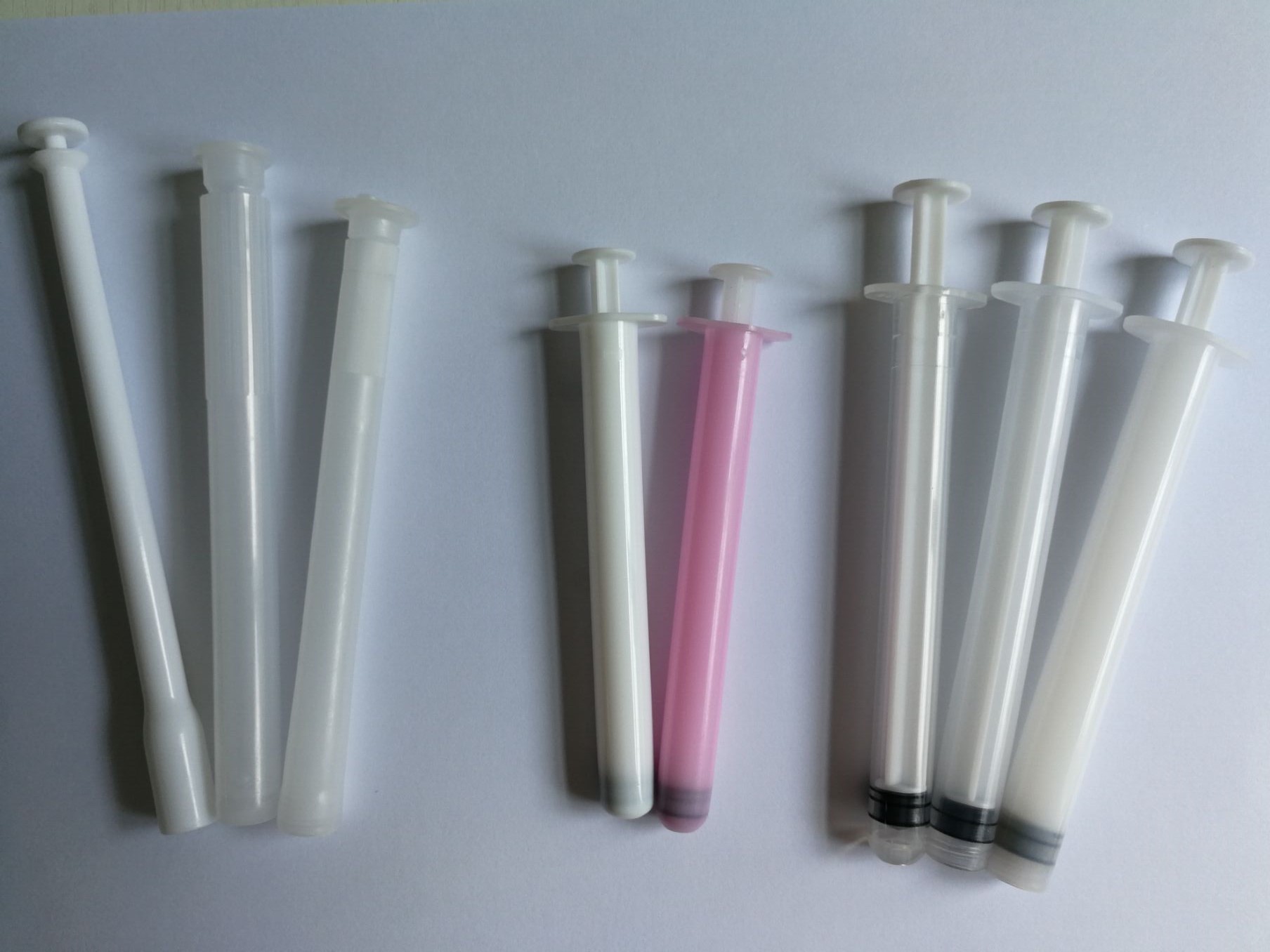
When someone first uses a plastic vaginal applicator, the surface becomes basically perfect ground for biofilms to start growing. These little colonies of microbes build their own protective layers that make it really hard to get rid of harmful bacteria with regular cleansers. Just one time of using these devices leaves behind body fluids and other stuff that gets bacteria going fast on those surfaces. The tiny bumps and scratches in most plastics actually help microbes stick around better. Once these biofilms take hold, normal washing just doesn't cut it anymore. What starts as something meant to be reused ends up being a trouble spot for infections instead of what it was supposed to be - a safe way to apply treatments.
Persistence of Candida albicans and E. coli on Reused Vaginal Applicators
Certain germs like Candida albicans and Escherichia coli tend to stick around on vaginal applicators even after people try to clean them properly. Research indicates that C. albicans can stay alive on plastic surfaces for as long as three days straight. And E. coli is pretty tough too, especially when it gets wrapped up in those sticky biofilm layers that protect it from everything. When applicators hold onto moisture and leftover body stuff from previous uses, this creates the perfect environment for these microbes to hang out and actually grow over time. What this means is that just giving an applicator a quick wash doesn't really make it safe for another person to use, which poses real health risks for anyone thinking about reusing these products.
Anatomical and Clinical Reasons Vaginal Applicators Must Be Single-Use
Vaginal pH Sensitivity and Mucosal Barrier Vulnerability During Treatment
The vagina normally has an acidic environment around pH 3.8 to 4.5, which helps protect against bad bacteria and infections. When someone is undergoing treatment, this natural balance gets really shaky because medications often change the pH temporarily. Using an applicator that's been used before can bring in alkaline substances left behind from previous use or worse, introduce germs that mess up this important defense system and make treatments less effective. The lining of the vagina tends to get more sensitive when there's an infection or during medical treatment, so following proper sterilization procedures isn't just recommended it's absolutely necessary to keep patients safe from additional complications.
CDC and WHO Standards for Single-Use Devices in Mucosal Contact Applications
Health organizations around the world consider vaginal applicators to be one-time use items since they come into contact with sensitive body tissues. According to CDC infection control guidelines, any device that touches broken or damaged mucous membranes needs what's called high level disinfection, something regular household cleaning just can't achieve. The World Health Organization backs this up too, stating clearly that trying to reuse these single use products is only safe when done properly in healthcare facilities equipped with proper sterilization tools. Why such strict rules? Because leftover moisture plus bits of bodily fluids stuck inside used applicators create perfect conditions for germs to grow. Even if someone thinks they've cleaned them thoroughly at home, there's still a real chance of getting infections from bacteria hiding in those tiny crevices.
Evidence: Reused Vaginal Applicators Increase Infection Recurrence
Clinical Data Linking Reuse to 3.7× Higher Bacterial Vaginosis Recurrence
There's solid research showing that reusing applicators leads to more infections coming back around. Women who reused their applicators had nearly four times the chance of getting bacterial vaginosis again compared to folks who stuck with single use ones. Even when people try to clean them at home, bad bacteria tend to stick around because regular washing just doesn't get rid of all those stubborn germs and biofilms. Looking at the numbers makes one thing pretty clear improper reuse brings in outside microbes that mess with how treatments work and throw off the body's natural balance down there.
Real-World Adherence Failure: Why Home Cleaning Protocols for Vaginal Applicators Are Ineffective
Home cleaning methods for vaginal applicators just don't work very well in reality. Recent surveys show that around two thirds of people don't take apart their applicators completely when they clean them, which leaves all sorts of nooks and crannies still dirty. Regular soap and water simply aren't strong enough to kill stubborn germs or get through those sticky biofilm layers that form inside. Most folks don't have access to hospital quality sterilizers either, so they can't properly clean these devices before using them again. Because of all these issues, trying to clean applicators at home is basically unreliable and might actually be dangerous in the long run.
Why Home Sterilization Methods Cannot Safely Replace Disposable Vaginal Applicators
Boiling, Alcohol Wipes, and UV Devices Fail Against Biofilms and Endospores on Vaginal Applicators
The usual ways people try to sterilize things at home boiling stuff, using alcohol wipes, or those UV gadgets just don't cut it when it comes to dealing with what really matters in applicator reuse problems like stubborn biofilms and tough endospores. Boiling might kill some bacteria on surfaces, but it won't get through those thick layers of biofilm that form over time. Alcohol wipes work okay for cleaning surfaces, but they barely scratch the surface when it comes to killing spores or getting rid of some fungi completely. Those UV lights can knock down microbes on surfaces, but their effectiveness varies a lot depending on how they're positioned, and they definitely miss spots in hard to reach corners and inside grooves. The Centers for Disease Control points out that household chemical sterilizers probably don't give the same level of germ killing power as professional methods because there's no way to wrap items properly after cleaning them to keep them sterile. Plus, leftover chemicals or tap water that isn't itself sterile can mess with safety even more. All this means none of these home approaches come close to providing the same level of protection as simply using single use applicators designed specifically for medical purposes.
 EN
EN