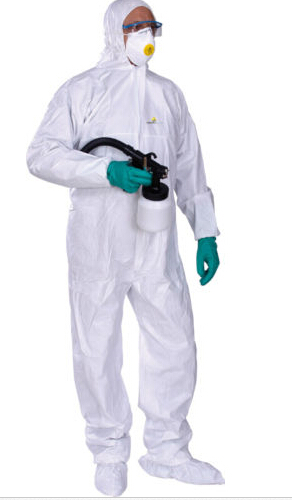
Checking for tears, holes, or manufacturing defects
Before putting on a disposable coverall, take a moment to check it out properly. Look at the whole thing in decent light, paying special attention to those tricky spots like the seams, zippers, and places where stress builds up around the shoulders and knees. Don't forget to run fingers over the material too because sometimes tiny holes or weak areas aren't obvious just by looking. These small flaws might let dangerous stuff through the protection layer we rely on. If there's any sign of damage at all, throw that coverall away immediately. Trying to fix them doesn't work since they're meant for one time use only. Safety first folks!
Ensuring integrity of seams, closures, and protective barriers
How well a disposable coverall works really comes down to how solid those seams, closures, and seals actually are. Check those zippers first they need to run smooth without getting stuck or coming apart somehow. Also look at any tape that's attached make sure it stays stuck where it should be and hasn't started peeling off anywhere. Take a good look at the elastic parts around the wrists and ankles too. They should feel tight enough but not too restrictive, and watch out for any fraying or thin spots that might break easily. When checking the seams themselves, make sure they're either properly heat sealed or sewn together tightly. Even small gaps or loose threads can let stuff in that we definitely don't want getting through. Doing this quick inspection before putting on the suit makes sense because nobody wants to discover problems after already being covered in whatever protective gear was supposed to keep them safe from.
Verifying compatibility with intended hazard exposure
The level of protection offered by disposable coveralls really depends on what they're made of and how they're put together. Before grabbing any old suit off the shelf, it's smart to check what the manufacturer actually says about their product specs. Most important thing? Make sure whatever gets worn can handle whatever dangers might be around - think chemicals flying everywhere, germs hanging in the air, or dust particles floating through the workspace. Materials matter too. Polypropylene, SMS fabric, maybe even some kind of microporous film coating all make a difference when it comes to keeping workers safe. And don't forget those special treatments added to the fabric surface. A lot of folks end up feeling protected when they really aren't because they picked the wrong gear for the job. Workplace accident reports show something shocking here: roughly six out of ten times when protective equipment fails, it's simply because someone wore the wrong type of coverall for whatever was going on around them.
Selecting the Right Size for Optimal Fit and Protection
Understanding size charts and body measurements
Getting accurate body measurements right is important if we want clothes that actually fit properly. When taking measurements, focus on three key areas: chest at the widest part, waist around where it naturally dips, and inseam starting from the crotch down to the ankle. Always cross reference these numbers against what the manufacturer lists in their size chart. Don't fall into the trap of thinking regular clothing sizes will work here since protective gear sizing can differ quite a bit between different brands. A study published last year in the Journal of Occupational Safety found something pretty shocking about ill fitting protective clothing. The research showed that when workers wear gear that doesn't fit correctly, the protection they get drops by as much as forty percent. Before buying, look at what the manufacturer says about sizing recommendations. Some companies suggest going up a size when planning to layer multiple items, while others claim their sizes match standard measurements pretty closely.
Balancing mobility and coverage without gaps
When looking for good coveralls, they need to wrap around the body completely but still let someone move freely. Try moving the shoulders up toward the ears first thing, then see how deep a person can bend at the hips when doing squats, and finally walk around normally to get a sense of how much space there is between steps. Little openings at the wrist area, around the ankles, or even just below the belly button might leave parts of the skin vulnerable to whatever hazardous stuff might be floating around. Safety standards actually recommend that sleeves extend past gloves by somewhere between two and three inches, while leg sections ought to reach all the way down over boots or shoes. The best coveralls come with stretchy wristbands, adjustable straps around the middle section, and knee areas that bend naturally instead of feeling stiff. These small design touches make all the difference in staying comfortable during long shifts while keeping harmful substances out.
Performing a final fit check before entering the work zone
To really test how well protective gear fits, try this simple method: lift both arms overhead to see if there are any gaps around the shoulders or if the material feels too tight. Next, bend forward at the waist and knees to make sure nothing rides up during movement. Take a few walking steps to check that ankles stay covered properly throughout motion. For those tricky spots nobody can see themselves, ask someone else to look at the back area and especially check the seal where the hood meets the neck. According to recent research published in Workplace Safety Journal last year, companies that follow written fit testing procedures actually cut down on contamination problems by about two thirds when compared to just eyeballing things without proper checks.
 EN
EN