EN
EN

Vaginal-applicator-needs-thorough-cleaning-before-use, Vaginal-applicator-needs-thorough-cleaning-before-use, /news
EN
2025/11/17
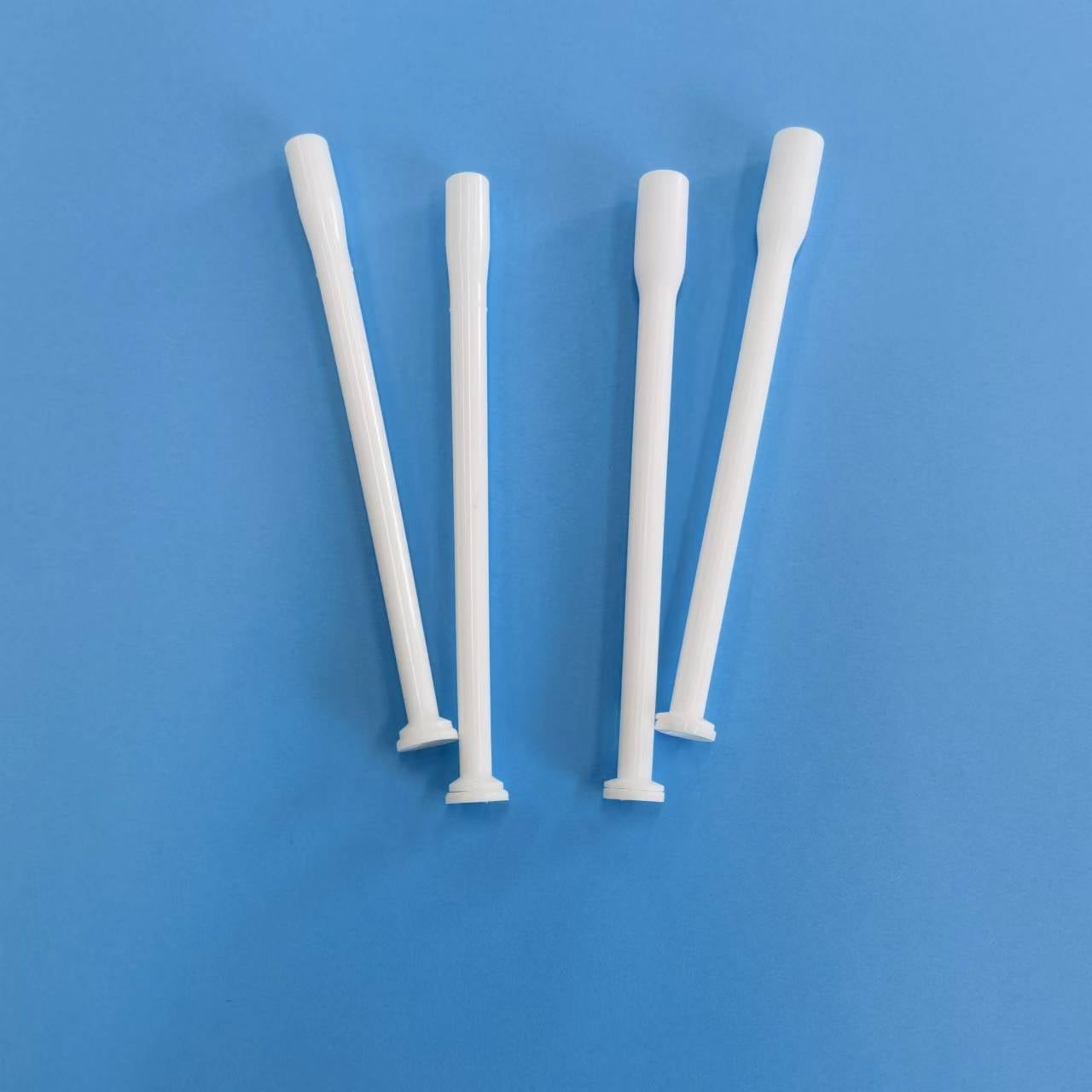
Since 2020, there's been quite a jump in how many people are using reusable vaginal applicators. According to the Women's Health Trends Report for 2023, adoption rates went up around 48%. More folks are looking at their wallets and the planet when they make choices about home healthcare these days. Now, about 72% of all those gynecological treatments happening at home actually use these reusable devices instead of single-use ones. That means fewer trips to clinics and more treatment done privately in one's own space. Doctors and nurses who work in this field keep stressing that as more people switch to reusables, we need better ways to clean them properly. Otherwise there could be real problems with germs spreading between uses. Some experts even suggest developing standardized cleaning instructions similar to what hospitals follow for surgical instruments.
When people don't clean these things properly, bad stuff starts growing in all those little nooks and crannies. Think about it - Candida albicans and E. coli love to hang out there. According to a recent checkup study from last year, nearly 20% of the reusable vaginal devices they looked at had harmful germs even after users tried cleaning them at home. What happens when moisture stays trapped inside? Well, that's basically inviting bacteria to throw a party right where it shouldn't be. This damp environment has been connected to problems like recurring yeast infections, bacterial vaginosis issues, and even UTIs popping up more often than they should.
A longitudinal study tracking 800 patients (2020—2022) revealed 34% higher infection rates among reusable vaginal applicator users compared to single-use alternatives. Clinical follow-ups traced 72 confirmed cases of treatment-resistant vaginitis directly to biofilm formation on reusable devices. These findings underscore the critical need for standardized cleaning guidelines validated by gynecological experts.
Maintaining vaginal applicators requires methodical cleaning to balance effectiveness with material safety. A structured approach reduces infection risks while extending device longevity.
Start by taking apart the applicator when possible and give each piece a good rinse under warm running water. Grab some gentle, unscented soap for scrubbing those hard to reach spots where stuff tends to stick. The crevices are especially tricky but worth the effort. Some research from last year showed that just 15 seconds of proper cleaning knocks out about 90% of bacteria we typically worry about. Make sure to rinse everything really well after soaping up. Leftover soap can mess with the natural balance down there, something nobody wants. Better safe than sorry!
For weekly deep cleaning:
Never combine boiling with chemical disinfectants, as heat can alter solution effectiveness. The FDA’s 2024 medical device guidelines emphasize checking manufacturer instructions, as 34% of reusable applicators have material-specific cleaning restrictions.
Pat components dry with a lint-free cloth or air-dry upside down in a UV-exposed area. Store reassembled applicators in breathable containers—airtight environments increase bacterial regrowth risk by 300% (Clinical Microbiology Insights, 2023). Replace devices every 3—6 months or immediately if surfaces become rough or discolored.
Improperly cleaned vaginal applicators can harbor harmful microorganisms like Candida albicans and Escherichia coli. Porous applicator tips retain microbial biofilms 45% longer than smooth surfaces, creating breeding grounds for pathogens. These contaminants increase risks of vulvovaginal candidiasis and bacterial vaginosis when reintroduced during use.
Incomplete drying after washing leaves residual moisture that multiplies bacteria at rates exceeding 200% within 8 hours. A 2024 gynecological survey found 33% of patients who reused applicators without sterilization developed pH imbalances, compared to 8% using single-use alternatives. Cross-contamination risks rise significantly when applicators contact bathroom surfaces or unclean hands.
Reusable silicone applicators do cut down on plastic waste, but there's something to be said for single-use models too since they basically wipe out any chance of microbes sticking around after treatments. The FDA approved disposables actually hit much higher cleanliness marks than what most people can achieve cleaning at home. We're talking about something like 10 colony forming units per gram max versus whatever someone manages with soap and water. Patients who struggle with repeat infections or those whose immune systems aren't quite up to par? Doctors pretty much always push for the disposable route in these cases because it just makes sense medically speaking. No need to take chances with potential reinfection pathways when prevention is so straightforward.