EN
EN

What-parts-of-disposable-coverall-need-extra-checking, What-parts-of-disposable-coverall-need-extra-checking, /news
EN
2025/11/21
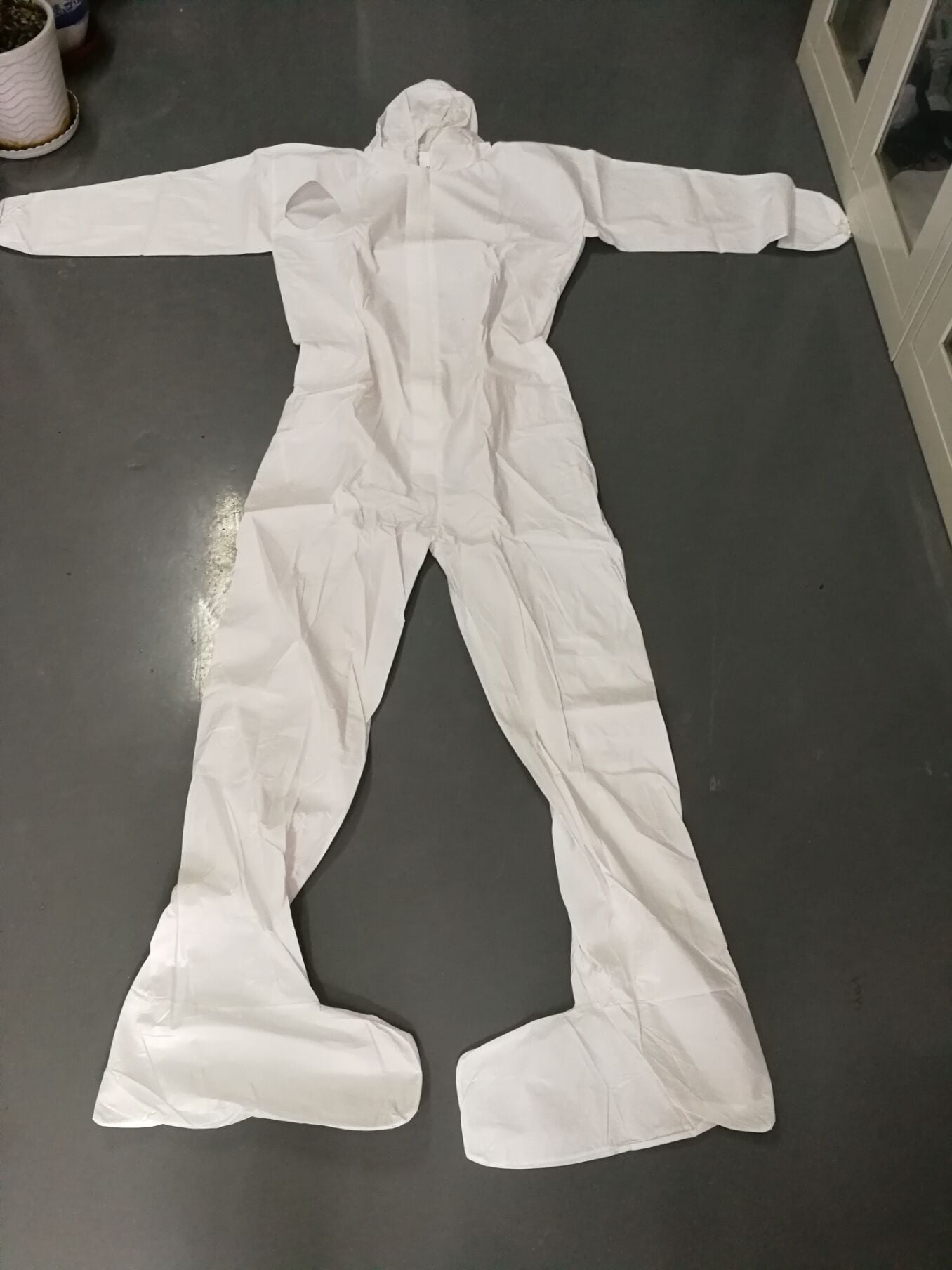
The seams on disposable coveralls tend to be where problems start showing up first, usually breaking down before the actual fabric does because of concentrated stress points and those tiny holes that get created during production. When manufacturers bond seams together using heat or chemical solvents, they do get good resistance against chemicals, but there's always a risk these bonds will separate when subjected to physical stress. Taped seams work differently by adding a protective layer over either stitched or bonded areas, which makes them much better at keeping out liquids and particles. That's why taped seams are pretty much required for higher protection ratings like Type 3, 4, and 6. Stitched seams might seem durable at first glance, but all those little holes from needles definitely weaken the overall barrier effect unless every single one gets properly sealed. Looking at industry stats, around 70% of coveralls that fail early on have issues starting right at their seams, so how manufacturers construct these seams really matters for how well the gear actually protects workers in real situations.
To check for problems in the seams, hold the coverall against a strong light source. This will help spot tiny holes, spaces between materials, or tape that was applied unevenly. Pay extra attention to spots where stress builds up most often, including under the arms, at the crotch area, and along the back. When looking at bonded seams, give them a gentle bend test. If parts start to separate or bubbles appear when flexed, that means the bonding wasn't done properly. With taped seams, make sure the tape sits smoothly on the fabric without any creases, loose corners, or openings. Check carefully around bends and where the tape ends. Run hands over all the seams to feel for anything odd like missing stitches, tape that varies in thickness, or glue that has leaked out from underneath. These little issues can trap dirt and germs. Good quality control means making sure every single seam forms a complete barrier throughout the whole garment.
When it comes to disposable coveralls, broken zippers are actually one of the biggest problems for keeping workers safe. Things like separated tracks or sliders that get stuck can create serious gaps where hazards might enter. The zippers on protective clothing have different requirements compared to regular ones. They need to stay properly aligned even when someone moves around, all while stopping liquids and tiny particles from getting through. Storm flaps matter a lot here. These extra layers serve as backup protection against whatever gets thrown at them during work. Research indicates that coveralls without good storm flaps let about 60 percent more dust and debris pass through the front opening area. That means these flaps aren't just there for looks they play a vital role in safety. Especially in places where risks are highest, getting the storm flap right makes a huge difference in how well the whole garment protects people.
Start with a visual check of the zipper track looking for any teeth that might be out of line, noticeable gaps, or areas that look distorted. Slide the metal piece back and forth across the entire length to see if it moves smoothly without catching anywhere. When checking storm flaps, pay attention to how they're attached to the main body of whatever item we're talking about here. If the stitching comes loose at all from the fabric, water will definitely get in there eventually. Hook and loop fasteners need special attention too. Both sides should stick together all the way down their length, and watch out for fraying edges or dirt buildup that prevents proper contact. Run fingertips over every part of these closures, especially around spots where different materials meet since those are usually weak links. Doing this whole process carefully means whatever gear gets used afterward won't fail when it matters most during actual conditions.
The seals around wrists, ankles, and hoods act as essential barriers against dangerous exposures when they fail. These parts depend on elastic material to keep out dust particles, chemicals splashing around, and floating aerosols. Over time though, the elasticity breaks down from normal aging, bad storage conditions, sometimes just poor quality control during production. What happens? Small openings appear that let contaminants right through the protective gear. A study last year found something alarming too: if the elastic loses just 5% of its stretch ability, the effectiveness drops nearly 40%. That kind of small problem really does matter for worker safety. Think about places where there are harmful airborne particles or pressurized fluids running everywhere. Even tiny cracks measuring only a few millimeters could allow dangerous substances to enter the suit and endanger personnel.
Start by checking all the seals around the edges with both eyes and hands. Watch out for things like threads coming apart, strange colors showing up, or elastic parts that look stretched out these are telltale signs the materials are wearing down. Take a moment to gently pull on the cuffs at the wrists, the hood area, and those boot covers. If any part feels slack or doesn't snap back into place quickly, that's probably not going to work anymore. Check where everything connects too make sure there's solid stitching or bonding, and that whatever tape was used runs smoothly without air pockets or breaks in it. Put on the whole thing and walk around a bit, bend over, maybe even squat down to see if the seals actually stay tight against the skin or whatever clothing is underneath. Doing this kind of hands-on test really tells whether the gear holds together under normal conditions and will function properly when needed most.
Getting familiar with those classification labels really matters when matching coveralls to actual workplace dangers. Let's break it down quickly: Type 4 gear keeps out liquid chemicals pretty much completely, Type 5 gives only basic defense against floating particles in the air, and Type 6 works okay for minor chemical splashes where risks aren't so high. There's also this EN 14126 standard thingy that checks how well materials resist biological stuff through special pressure tests on liquids and particles. Getting things wrong can lead to serious problems though. We've seen cases where someone wore Type 5 coveralls during a liquid spill incident and ended up exposed. On the flip side, forcing workers into expensive Type 4 suits just for dust collection jobs wastes money and makes everyone uncomfortable. Before buying anything, double check what the label says actually matches what kind of hazards folks face daily on site.
Fake coveralls usually show some pretty obvious signs. Start by looking at those certification labels - if the printing looks blurry, the fonts don't match up, or important standards codes are missing, that's a red flag. Real stuff will have clean, sharp labels with complete info like EN ISO 13982-1:2004 printed clearly. Stitching that doesn't line up properly or materials that just feel off are another giveaway. Packaging that lacks basic manufacturer info or batch numbers should raise suspicion too. When checking fabric, compare it side by side with known good samples. Counterfeit versions tend to be made from thinner material that won't hold up long term. Be especially wary of any product touting chemical protection without proper Type ratings or actual test results backing it up. Taking these steps isn't just about following rules; it literally saves lives when workers aren't exposed to dangerous situations because their protective gear failed.
Getting the right fit matters a lot when it comes to protection and how long gear lasts. When coveralls don't fit properly, they leave openings around important spots like wrists, ankles, and neck areas. Too much extra fabric can get caught on things and tear easily. Check sizes against the ANSI/ISEA 101-2014 guidelines so workers stay covered but still move freely without restriction. Before putting them on, look at the reinforced parts such as knee sections and stress points in the seams, making sure zippers and other fastenings work without problems. What kind of material gets used makes a big difference too. Simple polypropylene works fine for quick clean up jobs where protection isn't needed for long periods. But for tougher industrial applications where durability counts, SMS fabric stands out because it filters better and holds up longer under harsh conditions. Taking time to check everything from how something fits to what's built into the design helps make sure these disposable coveralls actually do their job of keeping barriers intact during whatever task they're meant for.