Why MRI Headphone Cover Integrity Matters for Safety and Compliance
When MRI headphone covers get damaged, they pose serious threats to both patient safety and regulatory compliance mainly because of two problems: spreading infections and causing electromagnetic interference (EMI). If there are tears or broken seals, the sterile barrier gets compromised, which puts patients at risk from harmful germs especially those with weakened immune systems. The Centers for Disease Control estimates hospital acquired infections alone cost American hospitals around $28.4 billion every year, so keeping these covers intact is really important as a first line of defense against contamination. At the same time, when there are cracks or worn out shielding material, metal parts inside might become exposed leading to EMI issues that mess up MRI images. This not only makes diagnoses less accurate but also breaks AAMI ST79 guidelines for safe medical devices. Hospitals that let this happen typically get hit with citations from the Joint Commission plus deal with expensive equipment downtime running into hundreds of thousands per occurrence according to Ponemon Institute research from last year.
-
Infection Control: Micro-tears permit microbial ingress, contradicting OSHA bloodborne pathogen protocols.
-
EMI Prevention: Intact covers contain non-ferromagnetic elements, maintaining the 3T magnetic field stability required for diagnostic precision.
-
Regulatory Alignment: FDA 510(k) clearance mandates material integrity validation per IEC 60601-1-2.
Replacement costs for damaged covers are negligible compared to non-compliance penalties or malpractice suits stemming from contaminated scans. Thus, rigorous cover inspection isn’t optional—it’s foundational to ethical and operational excellence in radiology.
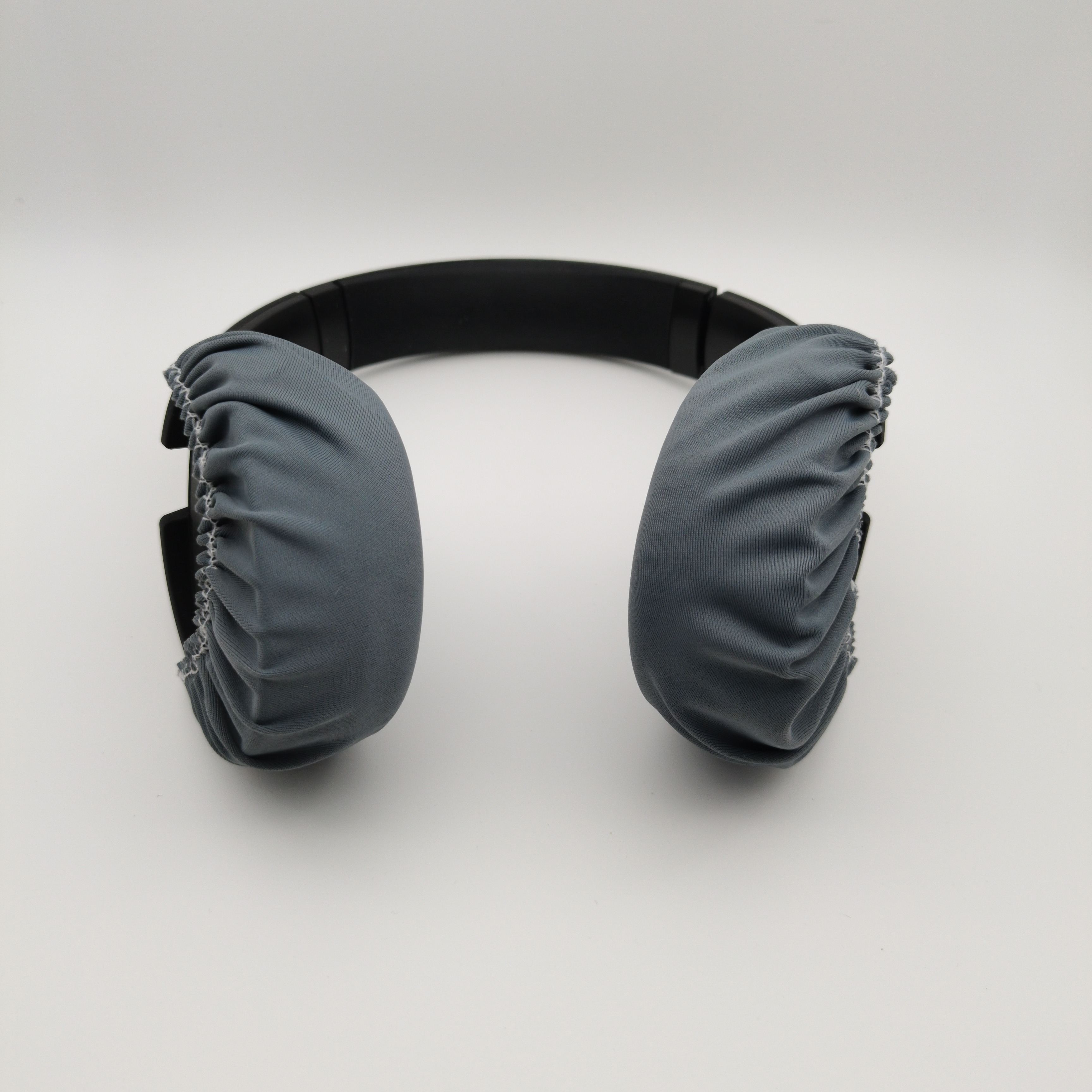
Cleaning, Reuse, and Replacement Protocols for MRI Headphone Covers
Validated Cleaning Methods That Preserve Material Integrity and Shielding
Following the manufacturer’s cleaning instructions for MRI headphone covers is essential to keep materials from breaking down over time. Stick to non-abrasive disinfectants rated for medical grade plastics and polymers when cleaning these devices. When dealing with reusable covers, a simple wipe down with 70% isopropyl alcohol works great at killing germs while still maintaining clear sound transmission and effective RF shielding properties. Don’t try soaking them or using steam sterilizers unless the manufacturer specifically says it’s okay these approaches tend to break down the seals and create tiny cracks that get worse over time. Let all covers dry naturally in air before putting them back into service. Using forced heat drying might seem faster but actually causes warping problems and reduces their ability to block electromagnetic interference properly.
When to Retire a Cover: Signs of Degradation and Manufacturer Lifecycle Guidance
Replace covers immediately upon detecting these critical failures:
-
Physical breaches: Tears >1mm, cracks near ear-cup seals, or permanent creases
-
Material fatigue: Stiffness, brittleness, or discoloration indicating polymer breakdown
-
Functional compromise: Loose-fitting edges, adhesive failure, or faded MR Conditional labels
Most manufacturers specify a maximum reuse cycle (typically 50–200 applications) or 12–24 month lifespan. Track usage via log sheets and retire covers proactively—delayed replacement risks infection transmission and compromised hearing protection during scans.
Balancing Patient Comfort, Acoustic Performance, and Infection Control with Intact MRI Headphone Covers
MRI headphone covers that stay intact actually handle three important things at once for clinics. They keep patients comfortable by stopping their skin from touching the inside parts. We’ve seen cases where torn or old materials lead to pressure sores, allergic reactions, or even heat buildup during long scans. The second thing is about sound quality staying good when the cover isn’t damaged. When there are holes or the fabric gets thin, it muffles what techs say to patients. That makes everyone anxious and creates real risks during procedures. Third, covers that don’t let anything through act as first line protection against germs spreading around. Tiny tears in the material let pathogens get into the foam inside where regular cleaning just won’t work. These three factors really affect results in practice. Comfortable patients tend to lie still longer during imaging which reduces those annoying motion artifacts. Clear audio means staff can give safety instructions properly. And solid barriers stop infections that typically add about 16 extra days to hospital stays according to our data. Thicker materials do last longer obviously, but finding that sweet spot between sound transmission and flexibility matters too. Most facilities would do well looking for covers with proper non-ferromagnetic certifications and edges that seal completely without gaps.
FAQ
Why is it important to inspect MRI headphone covers before each scan? Regular inspection prevents acoustic compromise and infection transmission, ensuring patient safety and compliance with regulations.
How can defects in MRI headphone covers affect the accuracy of MRI images? Defects such as tears and cracks can cause electromagnetic interference, leading to less accurate MRI images and potential violations of medical device standards.
What is the recommended method for cleaning MRI headphone covers? Use non-abrasive disinfectants suitable for medical grade plastics and polymers, and follow manufacturer instructions to maintain material integrity.
How often should MRI headphone covers be replaced? Covers should be replaced upon observing physical breaches, material breakdown, or label fading, and generally adhere to manufacturer’s specified reuse cycles or lifespan.
 EN
EN