EN
EN

Dispose-MRI-headphone-cover-after-single-patient-use, Dispose-MRI-headphone-cover-after-single-patient-use, /news
EN
2025/12/19
Infections picked up during hospital visits are a real problem for radiology departments because so much equipment gets touched constantly by different people throughout the day. The Centers for Disease Control reported back in 2023 that roughly one out of every thirty-one patients who end up in hospitals gets infected this way. And when these outbreaks happen, hospitals can lose around seven hundred forty thousand dollars per incident according to research from Ponemon Institute last year. MRI rooms seem particularly at risk since the machines there come in all sorts of shapes and sizes making it hard to clean them properly after each patient. Those little headphones used during scans might be one of the worst culprits too. Their soft ear pads collect bits of skin, sweat, and germs over time. Plus, the tiny gaps between materials just make regular cleaning routines ineffective against whatever has built up inside.
MRI headphones touch patient skin and hair repeatedly during scans, setting up real risks for spreading germs from one person to another. When people wear these devices, their sweat and natural oils get soaked into the padding material. These substances act as food sources for stubborn bacteria such as Staph aureus and those nasty multidrug resistant organisms we all fear so much. Some studies show these microbes can stick around for several hours even after being cleaned. A recent report published in the Journal of Radiology Hygiene back in 2024 revealed something alarming: nearly 7 out of 10 MRI headphone sets still had dangerous pathogens present despite standard cleaning procedures. Why does this happen? Well, disinfectant solutions just don't reach deep enough into the foamy parts, our hands during cleaning miss tiny cracks and folds, and all that constant scrubbing actually wears down the protective layers over time.
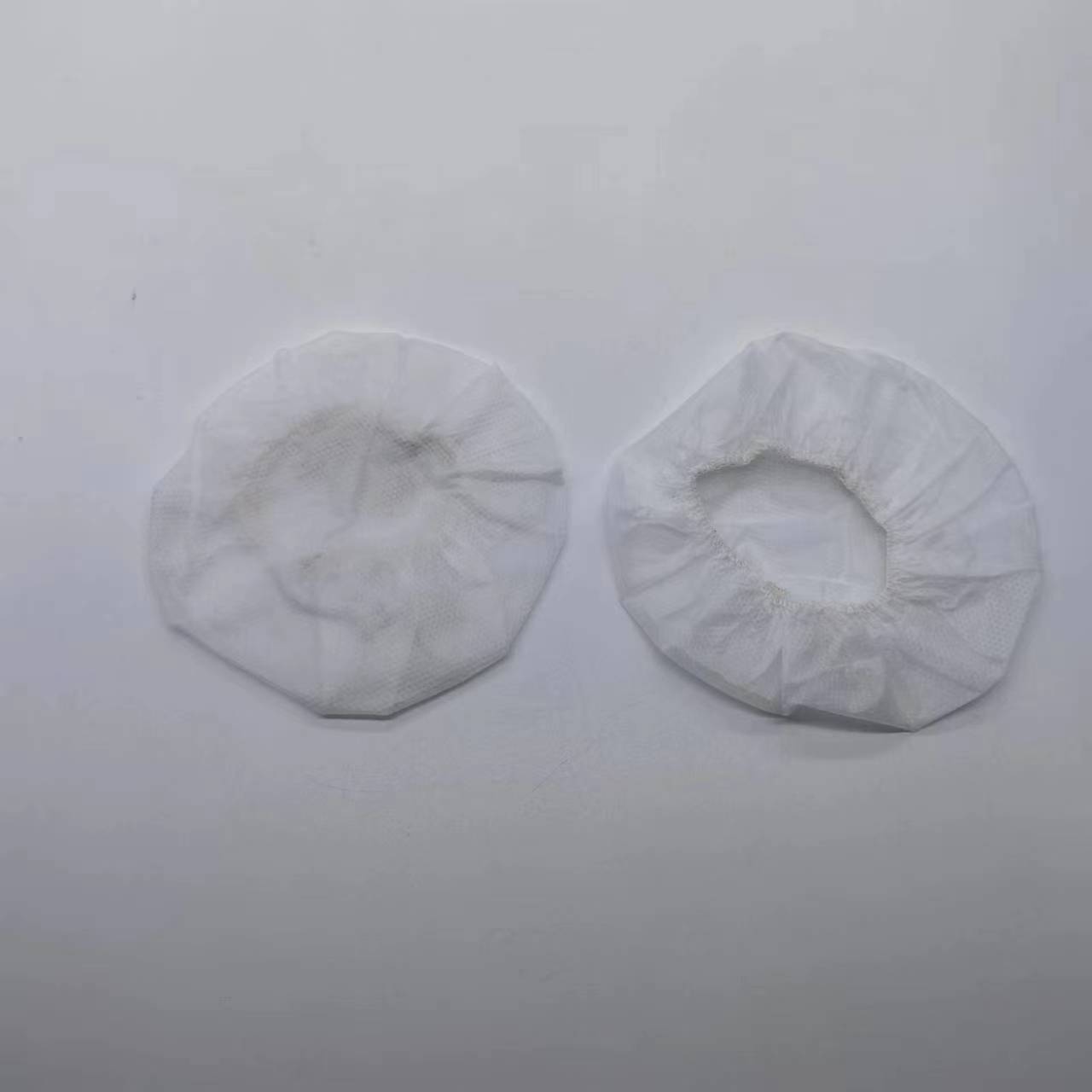
Single-use MRI headphone covers create impermeable physical barriers between patients and reusable equipment—intercepting the transmission chain at its source. By preventing direct contact with contaminated surfaces, they eliminate the opportunity for pathogen transfer without relying on imperfect cleaning processes.
| Transmission Phase | Intervention | Efficacy |
|---|---|---|
| Pathogen deposit | Disposable cover capture | Prevents surface contamination |
| Pathogen survival | Removal post-procedure | Eliminates residual contamination |
| Cross-contamination | Fresh cover per patient | Blocks inter-patient transfer |
Clinical trials published in Infection Control Today (2023) demonstrate a 91% reduction in infection risk when disposable covers are used consistently versus manual cleaning alone. Beyond pathogen control, these barriers also prevent allergen transfer and reduce patient exposure to disinfectant residues—supporting both CDC HAI reduction goals and operational efficiency.
An investigation across several medical facilities linked a recent bacterial outbreak among 12 patients to MRI headphone covers that were reused after being wiped down between scans. Tests showed all cases involved exactly the same strain of Staphylococcus aureus, which means those routine surface wipes simply weren't cutting it against bacteria hiding deep inside the foam seams. Many of these patients ended up with skin infections and other soft tissue problems, highlighting just how wrong our assumptions about clean equipment can be when dealing with porous materials like those used in audio devices.
Research consistently identifies high-risk microbes on shared MRI headphones:
| Pathogen | Survival Duration | Infection Risk |
|---|---|---|
| MRSA | Up to 9 months | Surgical site infections |
| Pseudomonas aeruginosa | 6+ hours | Respiratory complications |
| Norovirus | Days to weeks | Gastrointestinal outbreaks |
According to Clinical Radiology from 2023, imaging centers find about 23 percent more germs on those soft earbuds compared to CT machine handles. The main reason? Those padded surfaces just don't get cleaned thoroughly enough most of the time. When patients wear them for extended periods, their skin naturally adds moisture which speeds up biofilm growth, basically turning those fabric covers into little germ factories that stick around between uses. That's why many facilities now switch to single use covers instead. These disposable barriers cut down on the chance of spreading infections since each patient gets fresh material rather than sharing potentially contaminated ones.
MRI headphone covers that are meant for single use offer benefits both for patient safety and hospital operations. From a clinical standpoint, these disposable covers stop germs from spreading between patients since they act as barriers against dangerous stuff like MRSA and flu viruses. This is especially important at busy imaging centers where equipment gets used all day long. Operationally speaking, hospitals save time because staff don't have to clean the headphones after every scan. According to some research published last year, this saves around 15 minutes each day per MRI machine. That might not seem like much, but over time it adds up to quicker service for patients and lower cleaning expenses overall. Most people find them more comfortable too, which makes sense given how long some scans can take. The material itself is made from special medical fabric that still lets sounds through clearly while keeping out water, dust particles, and microbes that could otherwise stick around on shared equipment.
Healthcare facilities really ramped up their use of disposable hygiene barriers starting around 2020, and MRI units were way ahead of the curve with about 67 percent more implementation than other imaging departments according to a study from the Journal of Radiology Management last year. This trend makes sense given how much attention there's been on preventing infections through contact surfaces, particularly when dealing with equipment that touches sensitive areas like mucous membranes or broken skin. Hospitals that switched to disposable MRI headphone covers saw roughly 92% fewer germs detected on their audio gear compared to those still using the old reusable options. Because of these findings, most standard operating procedures now list these items as must-have personal protective equipment for both contrast enhanced scans and longer MRI sessions. Organizations like The Joint Commission along with various state health departments have begun including requirements for single use barriers in their infection control guidelines for diagnostic imaging centers across the country.