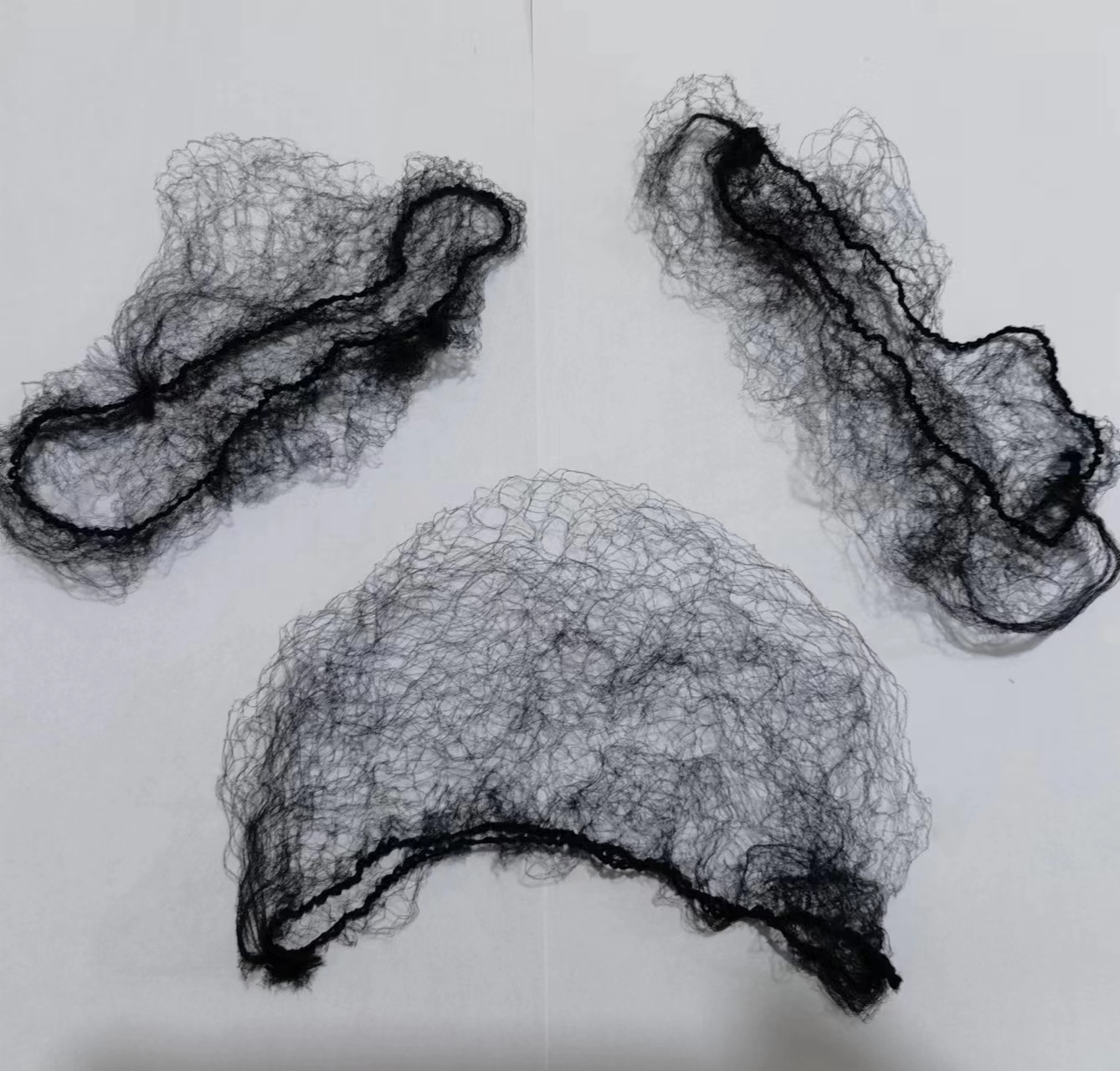
Understanding the Purpose of a Wigs Hair Net in Wig Application
Hair nets are basically the starting point when it comes to putting on wigs securely and making them look natural. They work by squishing down all that natural hair so it forms one even shape underneath, which gets rid of those annoying bumps and lumps that make wigs sit wrong. Most pros in the business talk about how important they are for achieving what people call a "second scalp" feel. According to some recent surveys, around 9 out of 10 theater wig techs use these nets regularly whether working with synthetic fibers or real human hair. Besides keeping everything in place, these little mesh bases also act as protection against hair oils that can damage delicate lace front areas over time.
How Using Hairnets to Cover All Hair Completely Prevents Visible Strands
Full coverage is critical—even 1–2mm of exposed hairline can create visible shadows under wigs. A 2023 study in the Journal of Cosmetology Practice found participants using partial-coverage nets had 3.5 times more stray hair incidents than those using full-cap styles. The diagram below illustrates optimal coverage areas:
| Coverage Zone |
Importance |
| Hairline |
Prevents shadow lines at forehead |
| Nape |
Stops "bristle effect" at neckline |
| Temples |
Avoids friction-induced wig shifting |
The Impact of Full Hair Containment on Overall Wig Alignment and Natural Appearance
When hair is properly secured, it spreads pressure across the scalp so wigs actually move like real hair does. Some recent testing showed people wearing full coverage nets kept their wigs aligned about 92% of the time after sitting around for eight hours straight, while those with partial coverage only managed around 67% alignment (Dermatology Research Institute found this back in 2022). Without good containment, wigs tend to float around on the head, especially when moving, causing the hairline to lift away from the scalp. Most folks say this floating effect makes wigs look fake about 78% of the time based on what consumers reported in various surveys over the years.
Step-by-Step Technique for Applying a Wigs Hair Net Correctly
Step-by-Step Guide to Securing Hair in a Wigs Hair Net for a Smooth, Neat Base
Start off by collecting all the natural hair and pulling it back into a low ponytail right at the back of the head where the hair meets the neck. Now twist that ponytail in a clockwise direction until it becomes a flat spiral lying against the scalp. Take the wig's hair net and place it over this twisted section, making sure to stretch it across from the forehead down to the neck area so nothing shows through. Get those edges of the net to lie flat against the hairline, then pin it securely with bobby pins at key spots like both temples, the top of the head, and the back of the neck. Run a brush down the net's surface to smooth out any bumps and create an even foundation for attaching the wig later on. Give the net a gentle tug here and there to check if it holds firm. When done correctly, the net should stay put even when moving around vigorously without slipping or coming loose.
Choosing the Right Size and Material of Wigs Hair Net for Maximum Hold and Comfort
Nylon nets provide firm hold for thick hair but may cause scalp tension over time. Breathable mesh alternatives reduce heat buildup, making them ideal for wearers in warm environments. Measure your head circumference from hairline to occipital bone before selecting sizes:
- Petite (18–20”): Ideal for children or fine-haired adults
- Standard (21–23”): Fits most average-density hair
- Plus (24–26”): Accommodates voluminous styles or protective braids
Common Mistakes That Compromise the Effectiveness of a Wigs Hair Net
A 2023 wig industry survey revealed 68% of users experience net-related issues due to avoidable errors:
- Positioning nets above the natural hairline creates visible gaps
- Using stretched-out nets with over 15% elasticity loss
- Securing pins vertically instead of angling them toward the scalp
Balancing Security and Comfort: Loose vs. Tight Wigs Hair Net Application
Getting the right tightness means being able to fit a single finger between the net and the head without much friction. If it's too snug, the hair gets flattened out where it shouldn't be, messing up how the wig sits naturally. On the flip side, when the net is too loose, it tends to move around quite a bit during normal wear time. When someone needs something for longer periods, looking at nets designed with different tension areas makes sense. These kinds keep the top section secure but don't put so much pressure on the sides of the head where people often feel discomfort after wearing them for hours.
Styling Preparation and Realism: Enhancing Wig Appearance with Proper Hairnet Use
Why Achieving a Tidy and Uniform Look with a Wigs Hair Net Matters for Realism
The main job of a wig's hair net goes way beyond just keeping everything contained. It plays a crucial part in maintaining that look of real hair growing on someone's head. When there are visible gaps or loose strands sticking out, it creates what some call the "helmet effect." Research published in Cosmetic Aesthetics Journal back in 2023 found that around 83 percent of people wearing wigs felt less confident when others could see the base of their wig. Getting full coverage really matters because it makes those scalp patterns and hairlines blend together smoothly, just like actual hair grows right out of the skin from little pockets called follicles.
Case Study: Professional Wig Applications in Film and Theater Using Full-Coverage Wigs Hair Nets
The recent revival of Hamilton on Broadway in 2023 made some pretty smart changes backstage, especially with those fancy reinforced nylon nets they installed. These new nets allowed performers to stay in character for over eight hours straight without needing constant fixes during shows something that cut down mid-performance adjustments by almost 90% compared to regular mesh materials. Cast members have been talking about how much better they feel when doing those intense dance numbers too. Many point to the special dual layer construction keeping their hair looking good even under those super sharp 4K cameras zooming in tight. No wonder top theater producers are starting to require these certified full coverage nets across the board now. The difference in appearance and performance just makes too much sense to ignore anymore.
Innovations in Wigs Hair Net Materials and Design for Better Performance
Advancements in Breathable, Invisible Wigs Hair Net Fabrics
The latest wig hair nets are made with super thin nylon mixes and micro mesh polyester these days. This design cuts down on bulkiness and actually lets air flow through better too – around 62% improvement over old fashioned cotton versions according to Textile Innovation Journal from last year. The see through stuff looks just like skin color so it disappears completely when wearing those fancy lace front wigs. No more worrying about dark net showing through and creating that unattractive head line look anymore. Premium quality nets come with special moisture wicking coatings that soak up sweat about three times faster than regular ones do. This means they stay stuck in place even after hours of wearing but still let the scalp breathe properly throughout the day.
 EN
EN