EN
EN

What-to-check-before-using-disposable-headphone-cover, What-to-check-before-using-disposable-headphone-cover, /news
EN
2025/11/10
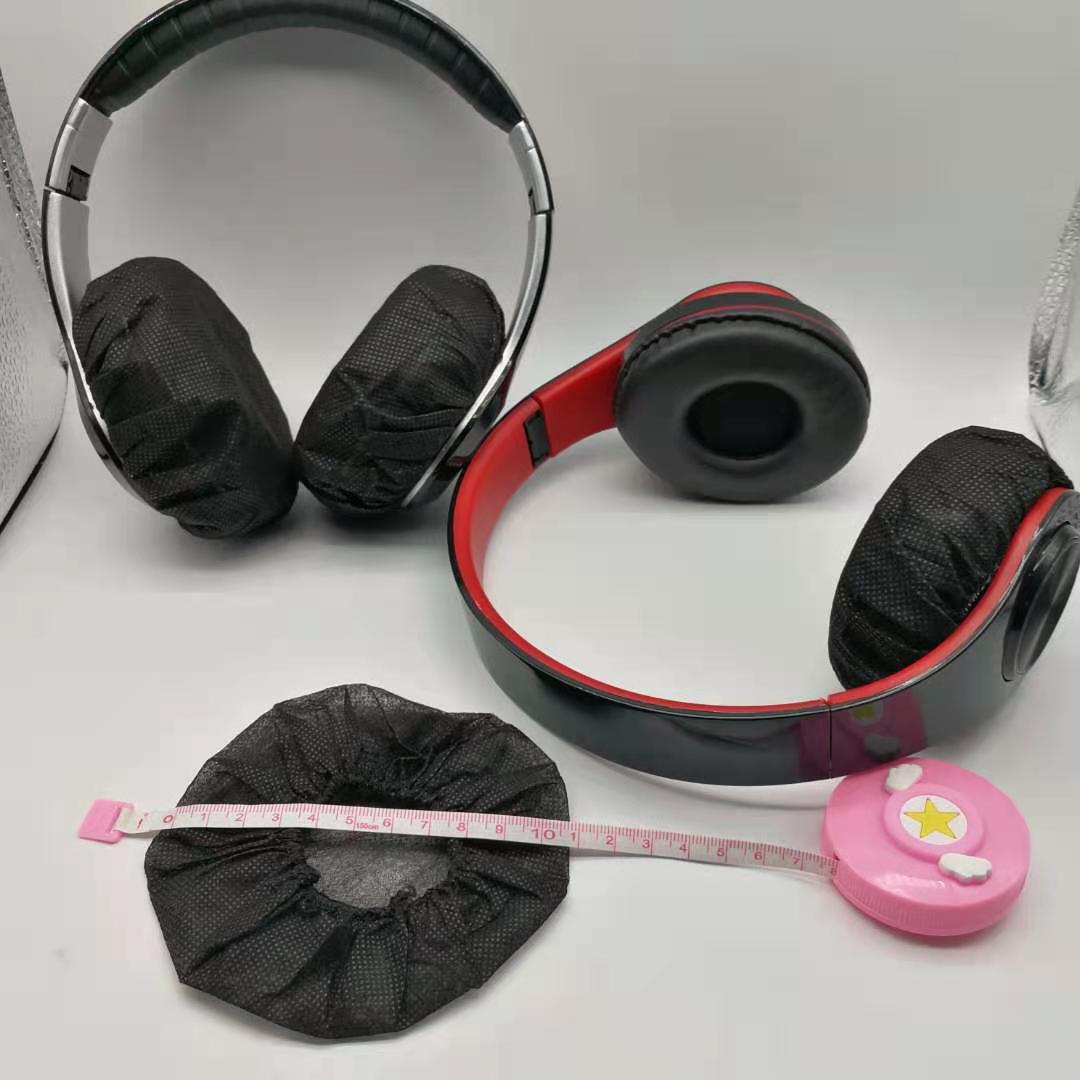
Headphone covers that get tossed after one use serve as barriers between people's ears and shared listening gear. They stop sweat, skin oils, and germs such as staph and yeast from getting transferred, cutting down infection chances by around 72 percent when compared with bare headphones according to CDC research from 2022. These disposable covers work great in places where lots of different people use the same equipment throughout the day. Made without latex, they're safe for folks with allergies and still let sound come through clearly thanks to their thin design. Hospitals, gyms, and rental services have all started adopting them for better hygiene.
On average, public audio systems get used between 12 to 15 times each day, which naturally leads to some pretty serious hygiene concerns. That's where disposable covers come in handy they help maintain clean standards without needing harsh chemicals that actually break down the ear cushions over time. We're seeing big institutions like libraries and virtual reality arcades start to roll these out across their facilities. They want to follow those World Health Organization recommendations for touchless audio sharing after all. And according to a recent report from AV Innovation in 2023, places implementing this approach have seen their cleaning expenses drop around 40 percent give or take.
For earphone covers meant to stay on the skin for long periods, manufacturers really ought to go with stuff like medical grade silicone or polyurethane. The good news is these materials tend to cause fewer allergic reactions compared to cheaper alternatives, plus they don't mess with how well the headphones sound. Back in 2023, researchers at the International Journal of Dermatology looked into this issue and discovered something pretty alarming: around one out of every five people got some kind of skin irritation from low quality materials used in these products. That's why many companies now look for materials that have passed the ISO 10993-10 test for biocompatibility. Smart businesses are also turning towards fabrics that meet the OEKO-TEX Standard 100 requirements. These special materials keep sweat from soaking through but still let air circulate properly, which makes them much more comfortable during extended wear sessions.
Headphone covers that get tossed after use need to fit into three basic design types if they're going to keep things clean without messing up how the headphones work. The big over-ear kind needs covers around 200 to 220 millimeters across with extra strong edges so they don't slip off when someone moves their head around. For those on-ear models, we're looking at materials that stretch about 150 to 180 percent so they stick properly to the smaller ear pads but still let air circulate. When it comes to in-ear buds, manufacturers go for super thin layers of either silicone or polyurethane, typically between 0.1 and 0.3 mm thick. These materials help maintain good sound quality while keeping germs from spreading. If a cover doesn't fit right, audio quality drops somewhere between 30 and 40 percent. That's why getting the sizes just right matters so much for places where lots of people share equipment like libraries or fitness centers.
Testing how elastic these covers are makes sure they fit all sorts of headphone shapes without ripping apart. The best disposable options can stretch between 180 to 200 percent while still holding together properly, which meets those strict ISO 22607 standards typically reserved for medical grade stuff. Most regular folks' headphones fall within this range anyway, covering everything from tiny earbuds right up to those big bulky studio headphones people use in recording studios. Companies have been getting creative lately too, adding little textures to the surface so the covers actually stick better to shiny plastic and metal parts that tend to be really slippery otherwise.
About 72 percent of manufacturers have started going with universal fit disposable headphone covers because they save money in the long run. Meanwhile, high end audio companies are moving away from one size fits all solutions and instead creating covers specifically designed for particular models. Take those wireless earbuds with weird shapes like the ones that look similar to Apple's AirPods but aren't actually made by them. These kinds of devices need special covers if we want to keep them clean and make sure the buttons work properly. We see this trend everywhere really, especially in places where lots of people share equipment throughout the day such as at local libraries or gym facilities. Staff there deal with so many different kinds of headphones that having something that works across the board makes sense operationally. That said, when talking about serious audiophile gear, nothing beats getting custom made covers. They actually do a better job protecting those delicate speaker components inside plus the soft padding that sits right against our ears.
Disposable headphone covers must arrive in airtight, tamper-evident packaging to maintain sterility until use. Look for pharmaceutical-grade sterilization indicators and intact seals—compromised packaging invalidates hygienic guarantees. Industry standards recommend discarding covers with visible defects or expired sterilization dates, as aging materials lose protective efficacy (Packaging Safety Report 2023).
Once applied, these covers degrade through moisture absorption and skin contact. Research shows 85% of single-use models lose their bacterial-barrier properties after 60 minutes of continuous use. Avoid stretching sessions beyond manufacturer guidelines, and never reuse covers—even briefly—as microscopic tears accumulate with movement.
While some gyms and studios attempt cost-saving reuse, studies confirm multiuse disposable covers harbor 12– more bacteria than fresh units. This practice negates hygiene benefits and risks cross-contamination, particularly in shared audio environments. Opt for facilities adhering to strict single-use protocols, or carry personal covers to ensure compliance.
| Factor | New Cover | Reused Cover |
|---|---|---|
| Microbial Protection | 99.8% effective | 70% effective |
| Material Integrity | Full elasticity | Compromised by tears |
| Cost Per Use | $0.15–$0.30 | $0.03–$0.10 (risks) |
These days, many disposable headphone covers are made from stuff like plant based plastics, bamboo fibers, or those compostable polymers that actually break down in about six to twelve months when processed at industrial composting plants. When looking at options for people with sensitive skin, there's been a real rise in popularity of these mushroom based mycelium foams lately. They stick around in landfills way less than regular plastic does according to some studies from last year's Audio Industry Sustainability Report showing roughly an 83% reduction in persistence time. If someone wants to be sure they're getting what they pay for environmentally speaking, checking for certifications matters a lot. Look out for things like ASTM D6400 which confirms something is truly compostable, or go with products that have passed OEKO TEX testing for chemicals safety standards. These markers help separate the genuinely green alternatives from just marketing fluff.
What happens after use depends on what we're talking about. Compostable stuff needs special treatment at industrial facilities, whereas those recyclable ones are only good if there's actually a PET recycling system nearby. Some places get this right better than others. Hospitals tend to have separate bins for these items, same with big concert venues where lots of people might be using them. But not everywhere does it properly. Always look at those package instructions before tossing anything away. Getting it wrong really matters too. We've seen studies suggest that when things end up in the wrong bin, around 90% of whatever environmental benefits were promised just disappear. That makes all the effort wasted.
According to a recent 2024 survey, around seven out of ten audio equipment rental businesses have started using disposable headphone covers crafted from recycled ocean plastics or farm waste materials. This trend fits into a circular economy approach where old covers get transformed back into raw materials for manufacturing new items. Some companies are even experimenting with silicone covers that can be reused multiple times. These newer models come equipped with built-in UV-C light ports for cleaning between rentals, which helps maintain hygiene standards while still being better for the environment than traditional single-use options.