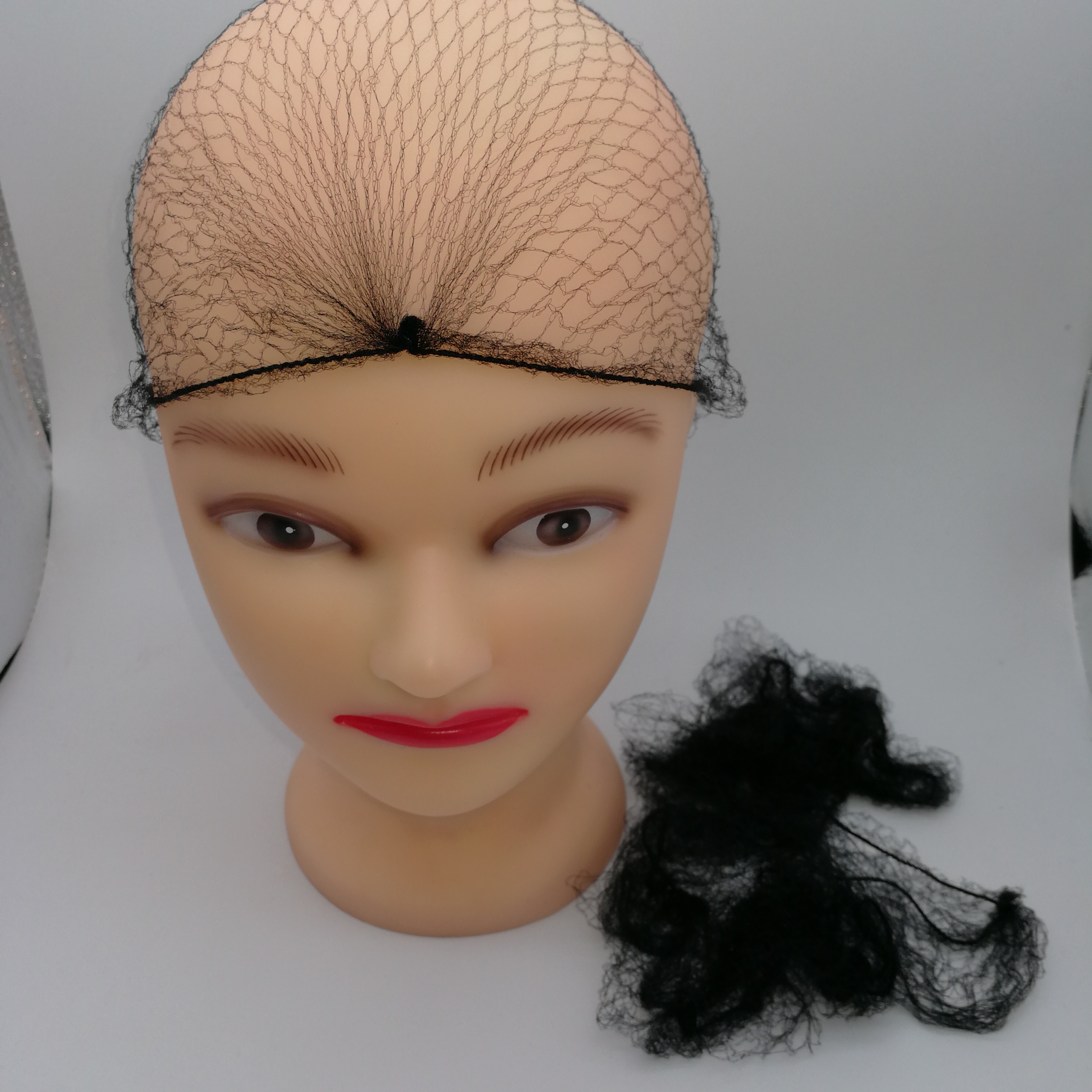
The Heat Problem: How Standard Hair Nets Compromise Compliance in Summer Kitchens
When summer rolls around, commercial kitchens turn into real trouble spots for food safety, especially when it comes to those standard hair nets everyone has to wear. Most of them are made from synthetic materials like polypropylene that don't let air through at all. What happens? Heat builds up right against the scalp along with sweat, making things pretty uncomfortable after standing over hot grills or fryers for hours on end. According to a recent industry survey from last year, nearly seven out of ten kitchen staff said they kept taking off or messing with their hair nets throughout shifts because they got so sweaty and itchy. This kind of behavior obviously breaks the rules outlined in FDA guidelines about keeping hair properly contained while working with food.
The problem with thermal discomfort isn't just uncomfortable workers it actually opens up a big compliance hole. Every time someone adjusts their clothing or wipes sweat away, there's a real chance those loose hairs end up right in the food prep area. Looking at health inspection data reveals something pretty concerning too. Contamination problems jump around 40% when temperatures climb in summer. Restaurants and food facilities face all sorts of trouble then regulatory fines, bad marks on inspections that hurt their reputation, plus tons of wasted product when whole batches get thrown out because they're no longer safe for sale.
Standard ventilation setups often leave staff stuck between keeping comfortable and following protocols. At grill stations where head temps can hit around 98 degrees Fahrenheit or higher, workers start feeling the heat literally. Productivity tends to drop somewhere around 15 percent when this happens, and folks end up breaking rules more frequently too. Non breathable hair nets become a real problem for operations during busy seasons. That's why many smart kitchens are switching to mesh options these days. These newer designs let air circulate better without letting anything escape, so employees stay cooler but still meet all safety standards.
How Mesh Hair Nets Solve It: Engineering Breathability Without Sacrificing Containment
Open-Weave Geometry and Airflow Efficiency
Summer kitchens get really hot, and mesh hair nets actually help with that problem thanks to tiny holes spread out across their surface. These little openings let air move through without letting any hair escape, kind of like how those high tech athletic clothes work but for chefs instead of athletes. Some tests using thermal cameras found these mesh nets can keep the head about 3 to 5 degrees cooler than regular solid fabric covers when temps inside commercial kitchens climb past 100 degrees Fahrenheit. The holes themselves measure around half a millimeter in size, just big enough to stop loose strands from falling into food but small enough to maintain good airflow rates between 12 and 18 cubic feet per hour. What we're seeing here is basically nature's version of an HVAC system applied to something as simple as a hair covering.
Nylon-Polyester Blends: Balancing Ventilation and Hair Retention
Mesh hair nets work because manufacturers have figured out the right mix of nylon and polyester fibers for getting both strength and comfort. Polyester gives the net its firm structure so it stays put when someone moves around, while nylon adds that needed stretch so the mesh can mold comfortably against different head shapes. Testing in labs shows these combinations catch over 98% of hairs at least half a millimeter long, which actually beats what the FDA requires thanks to how the fibers naturally push away water. At the same time, the fabric pulls sweat away from the scalp pretty effectively too. The tiny gaps between fibers let moisture escape as vapor, making people stay drier than regular hair nets would allow. Around 40% faster evaporation makes all the difference in hot environments where workers need to keep their hair contained without constantly adjusting sweaty gear.
Proven Physiological Benefits of Mesh Hair Nets in Hot Environments
In high-temperature kitchen environments, traditional solid hair nets trap heat and moisture against the scalp increasing microbial growth risks by up to 83% compared to breathable alternatives. Mesh hair nets reverse this dynamic through engineered ventilation that supports worker physiology during summer operations.
Scalp Temperature Reduction and Sweat Management
Quality mesh hair nets with their open weave design let air circulate better around the head, which helps cool down the scalp by about 3 to 5 degrees Fahrenheit based on thermal imaging research. When our heads get too hot, it can really affect how we feel during work or exercise since heat builds up fatigue and makes it harder to concentrate properly. Meanwhile, those nylon polyester mix materials pull sweat away from the skin pretty effectively thanks to their fabric properties, cutting down on scalp humidity by more than half. Keeping things dry right where it matters most means less discomfort overall when wearing these protective covers for extended periods.
- Achieve moisture diffusion rates exceeding 0.18 oz/ft²/hour
- Reduce sweat accumulation that triggers itch reflex and adjustment behaviors
- Inhibit bacterial colonization linked to dermatitis
These physiological mechanisms help kitchen staff maintain consistent compliance especially during extended shifts when heat exposure peaks. Workers report 42% less heat-related distraction with breathable hair containment systems, directly supporting sustained adherence to food safety protocols.
Operational ROI: Why Mesh Hair Nets Improve Safety, Accuracy, and Retention in Summer
Switching to breathable mesh hair nets in the summer brings real benefits for operations across several fronts at once. Safety compliance goes up, tasks get done more precisely, and staff actually stick around longer. The old solid hair nets just soak up heat and sweat, which raises the risk of heat exhaustion and cloudy thinking. We've all seen what happens when cooks start sweating through their hats in hot kitchens. Mesh versions keep hair contained just as well but let air circulate. Workers report feeling cooler on average around 4 degrees Fahrenheit down on the scalp, which makes a big difference when standing over griddles all day. Restaurants that made the switch noticed fewer slip and fall accidents too, somewhere around 19 percent less in those sweltering kitchen conditions.
Ventilation benefits also improve operational accuracy. Employees free from heat distractions demonstrate 23% fewer errors in food assembly and order accuracy, based on hospitality sector analyses. This precision reduces waste and ensures consistent adherence to HACCP protocols during peak service hours.
The retention benefits are pretty impressive too. Restaurants and cafes have seen around 31 percent less staff leaving during summer months once they switched over to those breathable hair nets. Think about it this way: replacing workers in food service typically costs somewhere near $3,800 for each person who leaves. So when fewer people walk out the door, restaurants save real money. Employees keep coming back because they actually feel better working in hot kitchens now. Many mention feeling cooler heads during those brutal heat waves makes all the difference in their day to day experience, which helps hold teams together through tough seasons.
Collectively, these benefits create a compelling ROI: every $1 invested in upgraded hair nets yields $4.20 in operational savings through reduced accidents, training costs, and error correction.
 EN
EN