EN
EN

Why-anti-slip-dotted-sole-shoe-cover-is-necessary-in-labs, Why-anti-slip-dotted-sole-shoe-cover-is-necessary-in-labs, /news
EN
2025/11/25
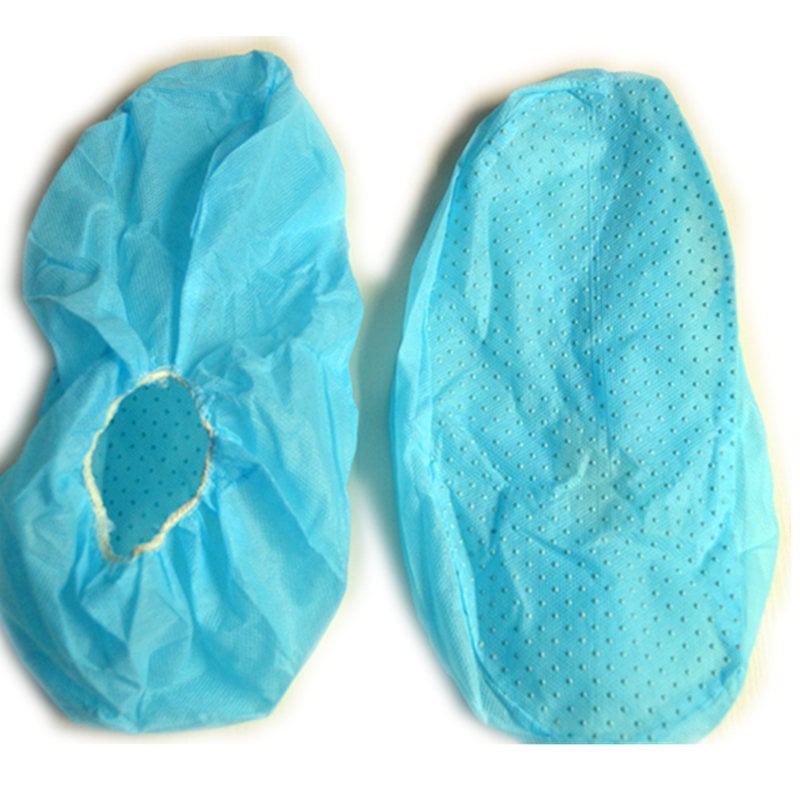
Three main slip dangers tend to pile up in lab settings that regular shoes just don't handle well. First off, water everywhere from cleaning routines or moisture buildup makes walking surfaces dangerously slippery. Then there's all those chemical accidents - oil drips, solvent leaks, acid spills - which not only make shoes lose grip but actually break down the floor material itself over months of exposure. And let's not forget about static electricity problems around delicate electronics equipment. A simple spark from static can startle someone enough to trip them up completely. Labs often require quick movements between workstations anyway, so when these multiple hazards combine, slips become one of the most frequent injuries reported across research facilities nationwide.
The problem with regular smooth sole shoe covers is they focus too much on keeping particles contained while completely missing out on grip, which leads to plenty of slip ups. The Occupational Safety and Health Administration has found that about a quarter of all injuries in labs come from people slipping or tripping, and bad shoes are often to blame. Tests following the ISO 20345:2021 standards show these standard covers barely reach a 0.30 to 0.40 coefficient of friction when surfaces get wet. That's way under the 0.50 mark experts say is needed for really risky spots. No wonder so many accidents happen during normal specimen work, since labs tend to have spills everywhere and most basic protective equipment just doesn't handle this situation properly.
A lot of lab facilities end up using cleanroom grade shoe covers even when working in wet lab environments. They focus so much on getting those super smooth soles for controlling particles that they forget about safety concerns. What happens? Well there's this big trade off situation going on here. Smooth PVC soles definitely cut down on particle shedding, but studies from ASTM F2913-22 show these same soles can make slips 60% more likely on wet floors. Labs dealing with electronics face special problems too. These places need shoes made from static dissipative materials, but many times those materials just don't provide enough grip when someone needs to deal with spills quickly. That's why we're seeing more interest in these special anti slip shoe covers with dotted soles. The design incorporates specific tread patterns that help keep things clean while still giving workers good footing.
Footwear for lab environments needs to keep workers from slipping on wet floors or those contaminated with chemicals. According to ASTM F2913-22 standards, there's quite a gap between different sole types. Smooth soles only manage around 0.25 to 0.35 coefficient of friction (COF) when walking across wet tiles. But shoes with dotted or waffle patterned PVC soles perform much better, hitting 0.45 to 0.60 COF instead. That means roughly 80% more grip, which translates to fewer accidents from slipping. The special tread patterns actually form tiny channels that push water away from the contact point, stopping the shoe from sliding like a car on ice. Independent tests also show these waffle soles hold their grip strength even after coming into contact with various chemicals commonly found in labs. This meets the 0.50 COF minimum set by OSHA for areas where falls would be particularly dangerous.
Shoe covers with those anti-slip dots on the bottom actually work pretty well for keeping people safe. The little bumps on them press down harder against floors than regular flat soles do, which makes them stick better when things get slippery. We're talking about around 40% more pressure right there. And look at those grooves running through the pattern too they basically push out stuff like broken glass or dust particles that would otherwise mess with the shoes sticking to the ground. What's really nice is how the treads go in multiple directions. This stops feet from sliding sideways when someone makes sudden turns or spins around. Tests have shown these kinds of shoes slip way less often than plain ones maybe even 70% less according to some studies. Plus, another bonus nobody talks about much but matters a lot in labs and hospitals these special soles cut down on static electricity buildup. That means safer walking near delicate equipment while still maintaining good traction.
When picking out those anti slip shoe covers with the little dots on the bottom, it really matters what kind of lab environment someone is working in. Labs where chemicals are handled need something tough enough to stand up to spills, so PVC soles work best there because they resist fluids and last longer when exposed to corrosive stuff. In biological research settings though, workers tend to prefer non woven materials since these let air circulate better and don't get as hot after hours of standing around. If the lab has sensitive electronic equipment that could be damaged by static electricity, then special conductive shoe covers meeting ANSI/ESD S20.20 specs become necessary. The textured soles with either dots or waffle patterns actually grip wet floors much better than plain soles do according to testing standards like ASTM F2913-22. These patterns also help kick off dirt and debris instead of trapping it, which keeps things cleaner overall and reduces slipping risks too.
When adding anti-slip shoe covers with dotted soles to laboratory safety procedures, facilities must meet two important standards at once. First, they need to satisfy ISO 20347:2021 requirements for slip resistance, which specifies a minimum coefficient of friction (COF) of 0.28. At the same time, General Manufacturing Practice (GMP) Annex 1 regulations demand strict control over particulates. Proper documentation is essential to prove that these covers actually work against slips while also preventing contamination. This becomes particularly crucial in high cleanliness areas like Grade A/B cleanrooms. In those sensitive environments, the static dissipative nature of the material matters a lot since even small electrostatic discharges can cause problems. Regular inspections help keep everything aligned with safety rules and promote good habits around risk management. These checks aren't just paperwork exercises but real opportunities to catch issues before they become serious problems in day to day operations.