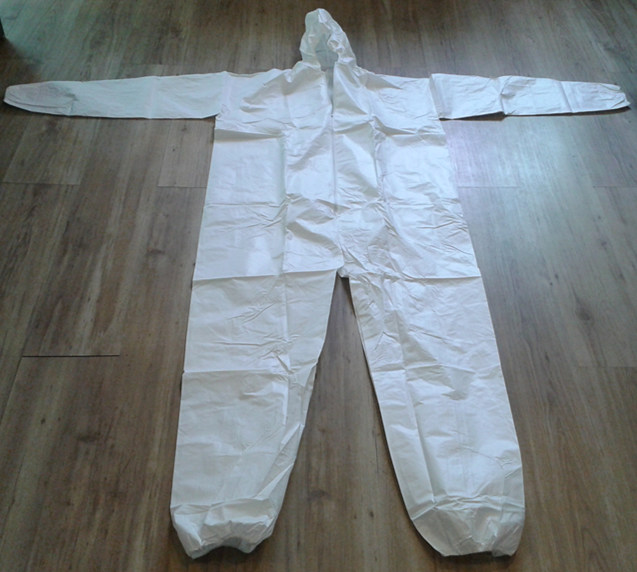
Ensure full protection and avoid exposure risks
The primary purpose of a disposable coverall is to create a barrier against contaminants, and choosing the right size is critical to achieving complete protection. A disposable coverall that’s too small will stretch tightly across the body, creating gaps at the cuffs, ankles, neck, or waist as you move. These gaps allow dust, liquids, chemicals, or pathogens to seep in, defeating the coverall’s protective purpose. For example, in medical settings, a tight disposable coverall may split at the seams when bending or reaching, exposing the wearer to harmful substances. Conversely, an oversized disposable coverall can bunch up, leaving loose fabric that catches on objects or creates folds where contaminants can accumulate. The right size fits snugly but allows for natural movement, ensuring all critical areas remain covered and sealed. Whether you’re working in healthcare, construction, cleaning, or a laboratory, a properly sized disposable coverall eliminates exposure risks and keeps you safe.
Enhance comfort for extended wear
Many people wear disposable coveralls for hours at a time, so comfort is key to maintaining productivity and reducing fatigue. A poorly fitting disposable coverall—too tight or too loose—can cause significant discomfort. A small size restricts movement, leading to soreness in the shoulders, back, or legs, and may even cut off circulation at the wrists or ankles. An oversized disposable coverall feels bulky and heavy, dragging on the body and requiring constant adjustments to keep it in place. The right size moves with your body: it doesn’t pull at the seams when you bend, stretch, or walk, and doesn’t bunch up or slide down. Most high-quality disposable coveralls are designed with breathable materials, and the right fit ensures air can circulate properly, preventing overheating. Comfortable wear means you can focus on your task instead of being distracted by an ill-fitting garment, making the right size essential for extended use.
Prevent damage and ensure durability of the disposable coverall
Disposable coveralls are made of lightweight materials like non-woven fabric or polyethylene, which can tear or rip if stressed. A disposable coverall that’s too small is under constant tension—every movement stretches the fabric, weakening the seams and increasing the risk of tearing. A single stretch when reaching for an object or bending down can cause a seam to split, rendering the coverall useless. Oversized disposable coveralls are also prone to damage: loose fabric can catch on sharp edges, door handles, or equipment, tearing easily. The right size fits without excessive tension or excess fabric, reducing strain on the material and seams. This ensures the disposable coverall holds up throughout your shift, providing reliable protection until you’re ready to discard it. Choosing the right size prevents premature damage, so you don’t have to waste time changing into a new coverall mid-task.
Maintain professional appearance and functionality
In many workplaces, a neat, professional appearance is important, and a properly sized disposable coverall contributes to this. An oversized disposable coverall looks sloppy and unprofessional, while a too-tight one may appear unflattering or inappropriate. The right size gives a clean, streamlined look that reflects well on you and your workplace. Beyond appearance, the right size also enhances functionality. For example, in food processing or manufacturing, an oversized disposable coverall won’t get caught in machinery, reducing safety hazards. In a laboratory, a properly fitting coverall won’t knock over equipment or spill chemicals due to loose fabric. The right size balances professionalism and practicality, ensuring you look and perform your best while staying protected.
Avoid waste and save costs
Choosing the right size of disposable coverall helps avoid unnecessary waste and saves money. When a disposable coverall is too small or too large, it’s often discarded unused or after minimal wear because it’s uncomfortable or ineffective. This leads to wasted resources and higher costs for individuals or businesses that need to stock up on replacement coveralls. For example, a construction company that buys one-size-fits-all disposable coveralls may find that many employees discard them due to poor fit, increasing supply costs. The right size is more likely to be used fully, as it’s comfortable and effective. Additionally, buying the correct size means you don’t have to purchase extra coveralls to replace ill-fitting ones. Whether you’re buying for personal use or a team, choosing the right size of disposable coverall reduces waste and keeps costs in check.
 EN
EN