EN
EN

Why Standard Shoe Sizing Doesn’t Apply to Non-Slip Shoe Covers
The Limitations of US/EU Foot Length Charts for Elastic Covers
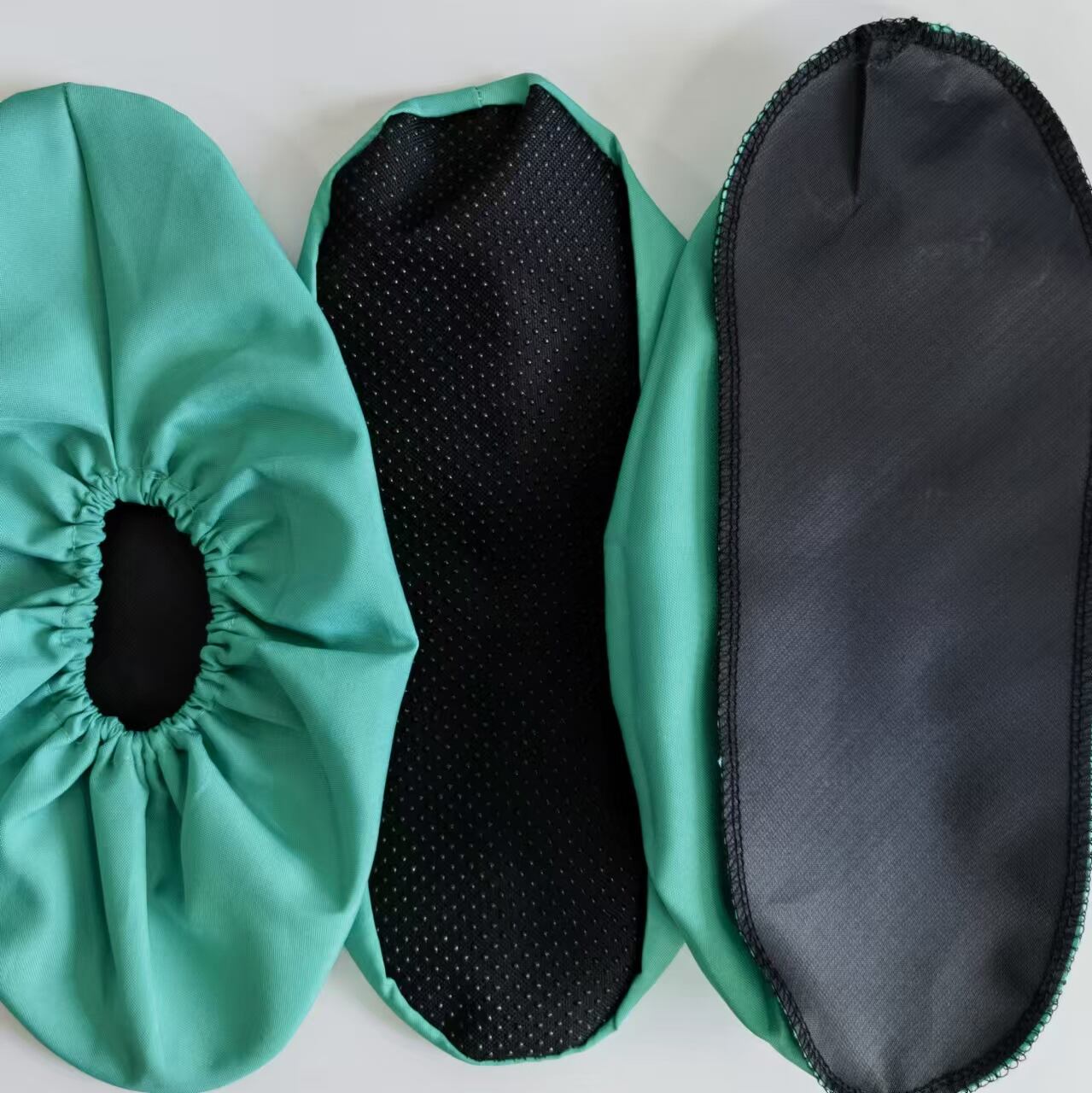
Regular shoe sizing is based on fixed foot length measurements from those standard US or EU charts, but honestly, they just don't work well for stretchy non-slip shoe covers. These elastic covers actually expand and contract as needed to fit different foot shapes and sole thicknesses. Take a medium size cover for instance it might work fine for someone wearing US 8 to 10 shoes, but could be totally useless for a person with narrow feet who wears a US 9 and has thick orthopedic soles compared to someone with wider feet in the same size but thinner athletic soles. According to that recent 2023 report about footwear safety, nearly half of all sizing mistakes happen because people rely too much on those basic length charts. And when this happens, the results are obvious poor grip, uncomfortable bunching, and plenty of slipping around while moving. Want something that works properly? Check out what the manufacturer says about sizing instead. Their guides consider how much the material stretches, how deep the coverage needs to be, and what kind of shoes they're meant to go over.
How Material Elasticity and Layered Construction Alter Fit Behavior
Shoe covers designed to prevent slips depend heavily on their elastic properties, usually made from rubbery synthetic materials mixed with spandex blends. This stretchiness lets them mold around different types of shoes, whether someone has thick soles from winter boots or extra padding inside their work footwear. But when manufacturers add extra layers like reinforced grip pads, double stitching along seams, or even thermal lining for cold weather protection, these additions create spots where the material becomes stiff. What happens next? The fit gets all messed up - too tight around the heels, loose spots near the arch area, and pressure points forming over the toes. According to findings published in a recent industrial safety report, overly tight shoe covers can cut down normal foot movement by about a third, which makes people more likely to lose their balance and possibly fall. The best performing non-slip covers aren't necessarily those that stretch the most. Instead they strike a smart middle ground between flexibility and strength, allowing proper coverage across the entire foot while still holding up in areas that get worn down the fastest during daily use.
Key Fit Factors That Directly Affect Non-Slip Shoe Cover Performance
Traction Integrity: Why a Snug (Not Tight) Fit Prevents Slippage
Getting good traction really comes down to keeping the sole in constant contact with whatever surface someone is walking on. When shoe covers are too loose they tend to move around during steps, causing the tread patterns to lift off floors completely. This can cut grip effectiveness nearly in half when dealing with wet or greasy conditions. On the flip side, if covers are way too tight they actually squeeze the feet, mess with how the treads work, and wear out materials faster particularly where pressure builds up like near the balls of feet or heels. What works best seems to be allowing about 5 to 8 millimeters of space for movement inside the cover. That gives room for normal foot bending without losing all that important tread contact or disrupting water drainage channels. Looking at workplace safety reports shows something interesting too. Workers who wear properly fitted covers report roughly one third fewer slips happening to them compared to those with ill fitting gear. So while it might look like just another fashion choice, getting the right size matters quite a bit for actual foot function and safety.
Mobility & Safety Trade-offs: Risks of Overly Loose or Constricting Covers
Ill-fitting non-slip shoe covers introduce distinct but equally dangerous trade-offs:
| Fit Condition | Safety Risk | Performance Impact |
|---|---|---|
| Overly Loose | Tripping hazard (40% increase) | Reduced traction stability |
| Excessively Tight | Foot fatigue/blisters | Restricted movement range |
When shoe covers are too loose, they tend to bunch up and form fabric folds that actually lift the soles off the floor surface. This basically makes those anti-slip features useless when someone needs them most. On the flip side, if the covers are pulled too tight around the feet, they can restrict normal foot movement by anywhere from 22% to 30%. That kind of restriction really messes with balance when making quick turns or sidestepping obstacles. Think about places where conditions change constantly throughout the day, such as busy restaurant kitchens or hospital wards where floors might be dry one minute and then soaked with cleaning solutions the next. Getting the right fit isn't just about comfort anymore it directly affects how well people can move around safely without risking slips and falls.
Matching Non-Slip Shoe Cover Size to Your Footwear Type
Sizing Adjustments for Steel-Toe, Insulated, and High-Top Work Boots
Work boots made for specific jobs need their own unique sizing approach rather than just following regular shoe sizes. Steel toe versions should have extra room in the front part since they need about 10 to maybe even 15 percent more width space around those tough toe caps. This helps prevent seams from getting too tight when someone stands on them all day long. For cold weather boots, manufacturers often use stretchier materials that can handle at least forty percent give or so. These materials wrap around thick socks without squishing out the tread patterns on the bottom or crushing the warm lining inside. High top styles also work better when the upper part extends past normal lengths by roughly an inch and a half to two inches total. This longer shaft stops feet from slipping down inside the boot which could leave ankles exposed or cause discomfort when bending upwards while walking.
| Footwear Type | Critical Adjustment | Performance Impact |
|---|---|---|
| Steel-Toe | Expanded width + toe reinforcement | Prevents seam splitting over rigid structures |
| Insulated | High-stretch materials (≥40% elasticity) | Maintains grip without compressing insulation |
| High-Top | Extended shaft height (1.5–2") | Eliminates gap exposure during flexion |
Always cross-check internal cover dimensions against your boot’s actual measurements—not just its labeled size. Oversized covers snag; undersized ones constrict. The goal is a secure, anatomical seal that sustains tread fidelity and full sole adhesion under real-world load and motion.
Step-by-Step Non-Slip Shoe Cover Sizing Workflow
Follow this systematic, evidence-informed workflow to eliminate guesswork and maximize safety:
- Measure: Use a flexible tape to record both foot length and circumference at the widest part of your footwear—including any insoles, orthotics, or thermal socks you’ll wear regularly.
- Compare: Match those dimensions—not shoe size—to the manufacturer's sizing chart, noting stated stretch capacity (e.g., “fits 2 sizes”) and shaft depth.
-
Test: Place the cover on your footwear and assess:
- Seamless sole-to-cover contact with zero bunching
- Full coverage of toe and heel during standing and walking
- Unrestricted ankle mobility through full range of motion
What really matters when it comes to fit is how well the sole sticks to the ground. Good quality covers should stay planted on the surface through all stages of walking - they shouldn't shift around, lift off, or get distorted somehow. When dealing with cold weather conditions or places where moisture is a problem, remember to leave about 5 to 7 percent extra room for those thicker socks that people tend to wear. And don't forget to check the size again whenever changing shoes. Different boots have completely different shapes inside, varying volumes, tapers, and heel heights can throw everything off if we're not careful.
Implementation Tip: Maintain a simple sizing log tracking footwear model, measured dimensions, cover model, and workplace conditions. Workers who adopt this documented approach report 41% fewer cover replacements—demonstrating how deliberate sizing extends product life and reinforces consistent protection.
| Workflow Phase | Key Checkpoint | Performance Indicator |
|---|---|---|
| Measurement | Circumference at widest point | ≤ 2% variance from chart specs |
| Fit Validation | Zero gap at sole-footwear interface | 100% surface contact |
| Mobility Assessment | Full squat without fabric tension | Unrestricted joint movement |
| Environmental Adjustment | Added sock/insulation space | No toe compression in cold rooms |
This method transforms sizing from subjective estimation into repeatable, outcome-driven practice—directly supporting both worker safety and operational reliability.