 EN
EN

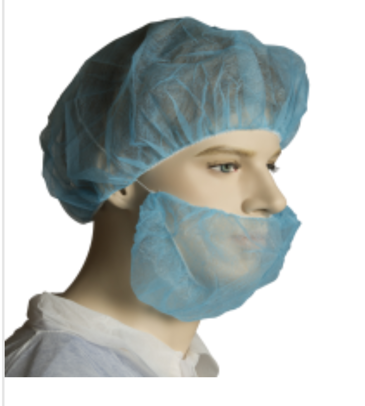
Why a Snug Fit Is Critical for Disposable Beard Cover Performance
Getting a good seal between the disposable beard cover and face skin is absolutely necessary if we want proper contamination control. When these covers don't fit right, they leave spaces through which hairs, bits of skin, and all sorts of tiny organisms can slip out, which basically ruins what the whole piece of equipment is supposed to do. Think about places such as clean rooms in laboratories or production areas for packaged foods. Even small openings there really mess up the protection barriers. Studies show something pretty shocking actually. Around 30 percent of contamination problems that could have been avoided happen because workers aren't wearing their protective gear correctly.
Getting a good seal is important for working well with other essential personal protective equipment. Masks like respirators and N95s work best when they stick close to the face to block out harmful particles in the air. If someone has a beard and wears a cover that bunches up or sags down, it creates uncomfortable pressure spots where the mask doesn't form a proper seal anymore. People who keep adjusting their gear all day get distracted from their work and are less likely to follow safety protocols properly, which means higher risk of getting exposed over time. On the flip side, when the cover fits just right around the contours of the face, there's less rubbing against skin, making it much more comfortable to wear for hours at a stretch. Plus workers don't have to keep touching and fiddling with their masks as often, reducing chances of spreading germs through hand contact.
Getting the fit right goes way beyond just feeling comfortable. It's actually one of the best ways to reduce risks in certain environments. Beard covers that fit tightly around the jaw and neck area without leaving any spaces function almost like an extra layer of protection for the skin. They catch those tiny biological particles before they can get into places where they shouldn't be, whether it's near important work surfaces or close to people who might be more susceptible to infections. This kind of prevention makes a real difference in workplaces that have strict health regulations and safety requirements, especially in fields like healthcare or food processing where contamination is a major concern.
Step-by-Step Adjustment: Positioning, Tension, and Securing the Disposable Beard Cover
Correct placement relative to beard contour and respirator edge
Start by placing the disposable beard cover right under the chin area so it covers all facial hair completely. Make sure the top part lines up nicely with where the bottom of the respirator or mask sits, forming a solid seal without any overlapping fabric layers. Getting this right stops dirt and germs from sneaking through those tiny spaces where equipment meets skin. When fitting the cover, follow the natural shape of the jawline, pressing down firmly especially around the sides and back of the neck to get rid of any trapped air pockets. People with thick beards should check that there's about an inch of extra material hanging below the shortest hairs to avoid gaps caused by pressure points. After everything seems in place, run gloved fingers carefully around the edges to test for proper stickiness. If any part lifts up during this check, chances are good the seal isn't tight enough.
Optimizing ear-loop tension and adhesive activation sequence
When putting on masks, make sure those ear loops aren't too tight or they'll stretch out the fabric and feel uncomfortable after a while. The right amount of snugness keeps everything in place without making it hard to move around, which really matters if someone needs to wear their mask all day long. With adhesive face coverings, start by sticking the middle part under the chin first before working our way towards the ears, pressing down firmly but evenly across the surface. Doing it this way helps get rid of any creases and makes sure the mask sticks properly to the skin. People should check how tight things are throughout the day because masks tend to shift when we're doing regular activities like talking or moving around. Getting back into position ASAP when that happens makes a big difference. Some lab tests actually showed that managing tension correctly cuts down on how often people need to adjust their masks by about 40 percent, though real world results might vary depending on what kind of work someone does.
Customizing Fit: Width Selection and Precision Trimming of the Disposable Beard Cover
Matching cover width (3” vs. 4.5”) to beard volume and face shape
Getting the right width for a disposable beard cover matters a lot when it comes to keeping things sealed properly and staying comfortable during use. People with lighter or moderate beard growth and smaller faces generally find that 3 inch covers work just fine without all that extra fabric that tends to slip around. On the flip side, those with thicker beards and wider faces need something bigger, like 4.5 inch covers, so they can wrap around all that hair without leaving gaps where stuff might get in. The numbers back this up too the Infection Prevention Journal reported last year that using wrong size covers raises contamination chances by almost half. To figure out what works best, try combing hair straight down from the chin towards the chest. If it goes past about two inches, go with the larger size. Most oval and heart shaped faces match well with standard 3 inch options, but folks with square or round faces usually do better with wider covers since they fit better around those strong jawlines.
Sterile, no-compromise trimming technique to eliminate gaps without breaching barrier integrity
Post-placement trimming customizes the disposable beard cover while maintaining its protective function. Using sterile, blunt-tip scissors:
- Isolate non-adhesive excess material beyond the jawline
- Cut parallel to facial contours with a ¼” margin from sealed edges
- Never trim near nose/mouth zones where barrier integrity is critical
Research from a 2023 article in the Aseptic Processing Review shows that when using this method, there's about a 58 percent drop in those tiny gaps compared to regular covers that haven't been trimmed. When working on trimming these covers, keep them pulled tight so they don't fold over or get cut in places where they actually need to function properly. Those little scraps should go straight into the waste bin right away to stop any possible contamination issues. This helps maintain the integrity of whatever protective barrier we're talking about, which matters a lot in places needing sterility such as surgical rooms or controlled manufacturing spaces.
Verifying Fit Integrity and Troubleshooting Common Seal Issues
Once the disposable beard cover is in place and fastened properly, it's absolutely essential to make sure it actually works as intended. Take a good look at it under strong lighting conditions. Pay close attention to areas around the jawline, beneath the chin, and wherever the cover connects to the respirator frame. Run clean fingers gently over the edges of the seal. If parts lift up or form wrinkles, then the fit isn't quite right. For an extra check, try inhaling sharply through the mask. A properly sealed cover should suck inward just a bit when breathing in, then snap back into place without coming loose from the skin. This simple test gives a pretty good indication whether the protective barrier holds up during actual use.
People often run into problems where gaps form because the ear loops aren't tight enough or the adhesive sticks too soon. When these gaps keep happening, try tightening those ear loops again first before putting the adhesive strip back down. Make sure the skin area is clean and free from oils too. Dealing with stubborn leaks around thick facial hair? A bigger cover might help - we've had better results with the 4.5 inch version compared to the standard 3 inch ones. Some folks also find success trimming carefully with sterile scissors, just cut along the seal line but be careful not to damage the actual barrier material itself. Keep in mind that if the seal breaks at all, it leaves everyone vulnerable to dust and germs floating around, which completely undermines what protective gear is supposed to do. Checking regularly makes all the difference in keeping that disposable beard cover working properly from start to finish.
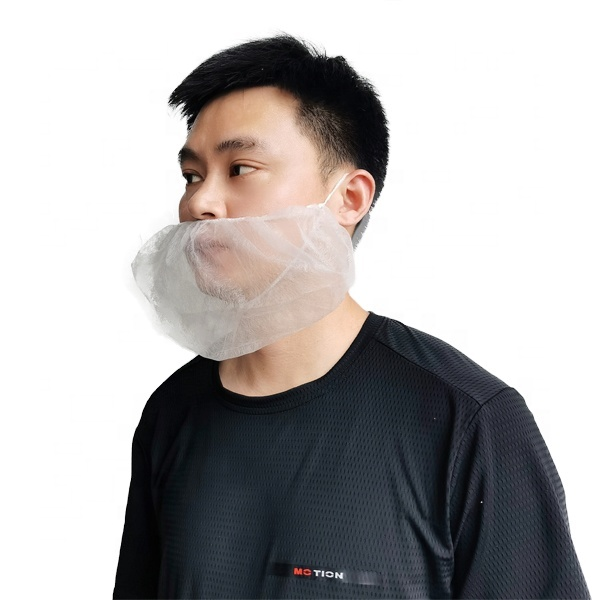
Table of Contents
- Why a Snug Fit Is Critical for Disposable Beard Cover Performance
- Step-by-Step Adjustment: Positioning, Tension, and Securing the Disposable Beard Cover
- Customizing Fit: Width Selection and Precision Trimming of the Disposable Beard Cover
- Verifying Fit Integrity and Troubleshooting Common Seal Issues