EN
EN

What-to-do-if-disposable-seat-cover-slips-during-use, What-to-do-if-disposable-seat-cover-slips-during-use, /news
EN
2026/02/21
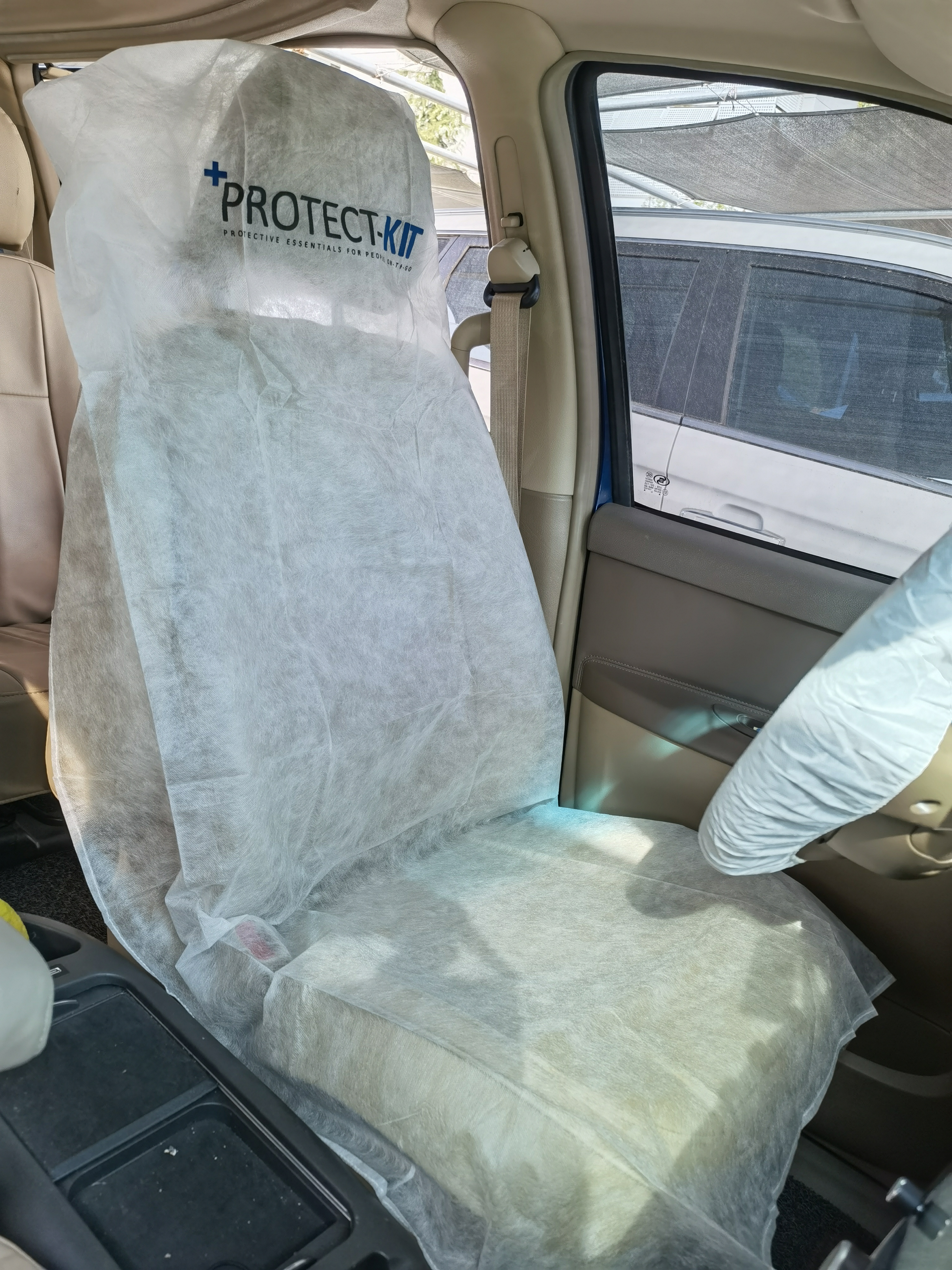
When disposable seat covers don't fit right, they tend to slip around a lot. If the cover is bigger than the actual seat, there's just too much extra material that moves all over when someone sits down or gets up. On the flip side, if the cover is too small, it stretches across the seat contours and ends up falling off after just a few uses. According to some studies in the Automotive Ergonomics Journal from last year, more than two thirds of problems with how these covers fit come down to simple size differences between the cover and the seat itself. Most people don't even check the sizing guides before buying them though. Only about 40 percent actually take the time to measure their seats properly for width, depth, and height. What happens with those loose covers? They create little pockets of air where nothing really touches the seat surface. These air gaps make the cover move around more easily when people get on and off, which isn't good for keeping things clean and also makes users feel less confident about using them at all.
Smooth automotive surfaces—especially leather, vinyl, and plastic—intensify slippage due to low surface friction. Most disposable covers use polypropylene or paper-based materials with insufficient grip coefficients for non-porous finishes. Laboratory friction tests show:
| Seat Material | Friction Coefficient | Disposable Cover Slippage Risk |
|---|---|---|
| Leather | 0.15–0.25 | High (75% incident rate) |
| Vinyl | 0.20–0.30 | Moderate-High |
| Plastic | 0.10–0.18 | Extreme (82% incident rate) |
Source: Material Science in Transportation 2023
Static buildup between synthetic layers further reduces traction. Unlike breathable fabric seats, smooth surfaces prevent micro-adhesion. Temperature shifts compound instability: vinyl expands in summer heat, while plastic contracts in cold weather—altering the contact interface and accelerating cover movement.
Most budget friendly disposable covers don't have any kind of retention tech at all. While the fancy reusable ones come with things like silicone grips, elastic bands around the edges, corner straps, and heavy hems for staying put, regular disposables just sit there without these features. According to a recent industry report from Automotive Textile Review back in 2023, only about 12 percent of all disposable products actually bother including anything that stops them from sliding around. Companies focus on keeping costs low by making these covers super simple with just one layer of material, which means they give up on stability to save money. When someone hits the brakes while driving, these basic covers tend to move around maybe 15 times more compared to covers that have proper retention systems. This forces drivers to find creative but not really reliable ways to keep their stuff secure rather than getting good consistent coverage when they need it most.
If the cover starts slipping around, grab hold and work it outwards from the middle area where most wrinkles tend to gather. Push any extra fabric into those tight spots between the seat parts and wrap it securely around the headrest supports so everything stays taut. When there's elastic on the edges, stretch that part under the actual seat frame first before snapping any clips or buckles into place against solid points on the car's structure. With bucket seats specifically, take your time sitting down rather than flopping right in. Press the cover firmly into those padded sections along the sides to get it shaped properly. Don't forget to check and tweak things again after about 15 to maybe half an hour when using the seat for the first few times since our body warmth plus regular movement will naturally loosen up the materials over time. According to Consumer Reports from last year, people who follow this method avoid almost three quarters of all small slippage problems without needing any special tools whatsoever.
Sometimes just moving around isn't going to cut it when dealing with seating issues. That's where temporary fixes come in handy for protecting those fancy fabrics. Take some shelf liner from the kitchen cabinet (the kind without sticky stuff) and slice it into pieces about the size of your hand. Place these little pads between the actual seat cushion and whatever covering is there, especially around areas where legs tend to slide around like the parts that support thighs. If working with vinyl or plastic surfaces, spray a tiny bit of low residue adhesive onto the bottom side of whatever goes over the seat surface, not directly onto the material itself though! For leather seats, stick to using just a scrap or two of double sided carpet tape at each corner spot. Always take everything off right away once done so nothing gets left behind that might leave marks later on. These quick fixes work great for giving immediate traction but they won't last forever. Expect to put them back on again somewhere between two to three hours later if sitting for longer periods.
Disposable seat covers that come with built-in retention systems are worth considering for better stability over time. Look for ones with adjustable straps, elastic edges, or those anchored securely to headrests. The way these design features spread out pressure helps keep everything in place without slipping around. Those little loops at the back stop the cover from sliding down when people get in or out of the vehicle, while the stretchy hems conform nicely to different seat shapes, even on tricky vinyl seats. Standard flat covers just don't hold up as well after multiple uses. Engineered options stay put much longer between replacements, which makes all the difference in busy settings such as ambulances transporting patients or cars used frequently by ride sharing services where quick turnover is essential.
To get better grip on those standard disposable covers, try adding some friction enhancing accessories. Putting silicone dot backing sheets or non slip shelf liners between the cover and actual seat surface can really help things stick better. Some tests show this kind of setup boosts traction around 70% compared to regular surfaces. When dealing with slippery leather seats that just won't stay put, small velcro tabs work wonders too. These little guys attach via peel off adhesive pads so they don't ruin the upholstery while still holding firmly in place. For situations like transporting patients or taking pets somewhere, temporary adhesives are actually pretty great options. They last several hours without leaving any mess behind, which matters a lot when there's constant movement happening and nobody wants gaps appearing in coverage at inconvenient moments.
Stop slippage from happening in the first place. Start with clean seats since dust, oil spots, or dampness can really cut down on grip and actually cause about 38 percent of all slips according to research from Automotive Hygiene Journal back in 2023. Fold away any extra fabric around those headrest areas and follow the curves of the seat properly before getting in there. Then run hands over the cover material to get rid of any trapped air bubbles. Covers with straps or elastic need special attention too. Check how tight they are right after putting them on, and give them another look around day two because most materials tend to loosen up when first used. Simple covers work just fine if we do something quick like sticking some double sided tape along the seat edges or slipping a non sticky shelf liner beneath. Don't forget to test things out while sitting normally for a few minutes to make sure everything stays put before hitting the road. And remember to shift position now and then during long trips so the tension remains balanced across the whole surface area.