EN
EN

What-to-do-if-disposable-earphone-cover-is-too-loose, What-to-do-if-disposable-earphone-cover-is-too-loose, /news
EN
2025/12/11
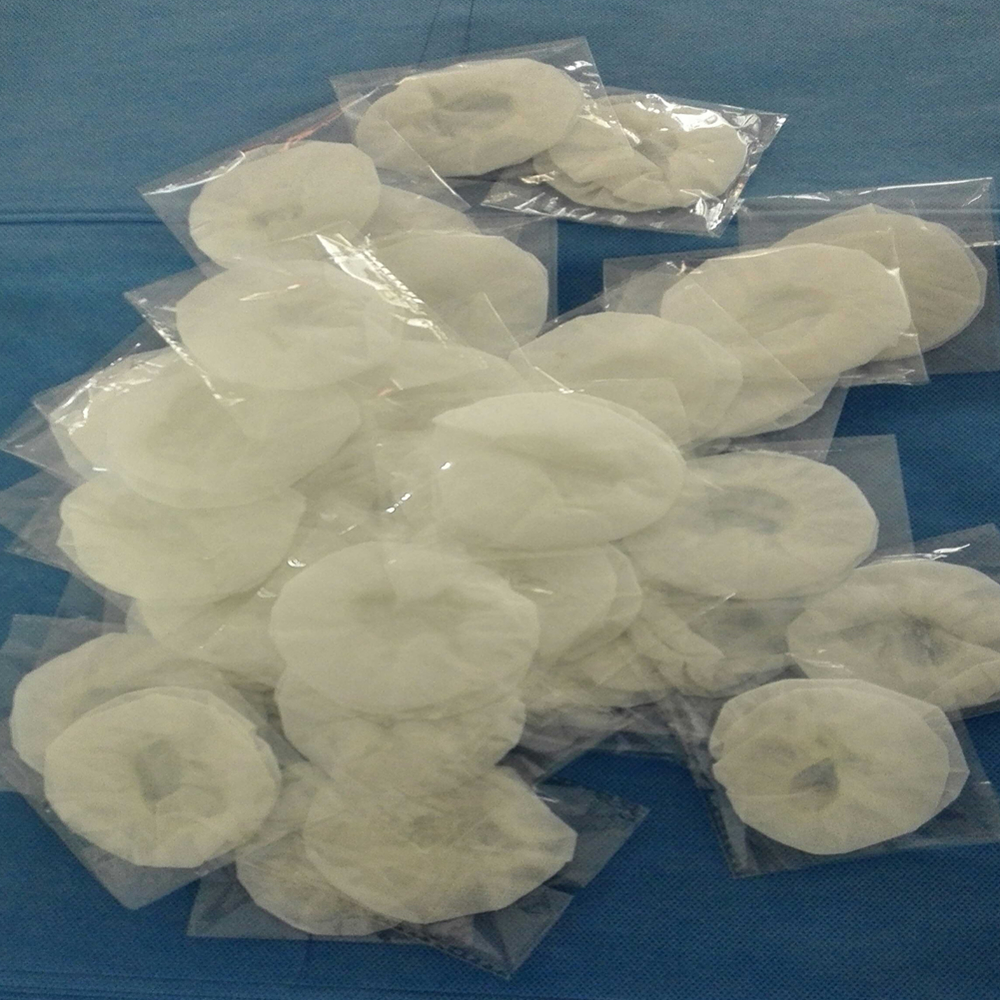
Most disposable earphone covers tend to come loose after being put in and taken out repeatedly. All that back and forth creates friction that wears down the material pretty quickly. Earwax builds up on them too, making it harder for the covers to stay in place. When people talk or work out, their heads move around so much that the covers just slide right off. Sweat gets everywhere and makes the sticky parts lose their grip. Plus, after handling these things all day or going through cleaning processes, the materials just don't bounce back like they used to. Industry stats show something interesting here: around 40% of folks find their ear covers slipping within just three hours straight. That says a lot about how well these single-use options actually hold up when someone is really using them.
The diameter of human ear canals can actually vary around 15% according to AAMI guidelines, which means those generic earphone covers just don't work for everyone. Concha depth and overall shape also change quite a bit between people and different ethnic backgrounds. People with deeper ear cavities generally need longer nozzle extensions, whereas folks with shallower ears benefit from flatter designs. If an earbud tip is too big for someone's ear canal, it creates pressure problems inside the ear. The cover ends up experiencing uneven stress points in this situation. Over time, this kind of mismatch causes the ear tips to deform faster than they should, leading to poor fit and reduced noise blocking capabilities.
Manufacturers often turn to thin silicone around 0.5mm thick rather than going for medical grade polymers because of budget limitations, which naturally cuts down on how long these products last and their ability to hold onto surfaces properly. The single mold approach makes it really hard to create comfortable shapes that actually fit different hands well. Plus, when they use recycled materials, those tend to start losing their stretchiness much quicker after repeated usage. Premium quality items have all sorts of retention features inside like little ridges or sticky layers, something most disposables just don't include. Production specs can vary quite a bit too, sometimes plus or minus 2mm altogether. And remember, even half a millimeter difference matters a lot for keeping seals intact, so getting consistent fits across batches remains a challenge for many producers.
Putting a little bit of medical grade silicone based skin glue on the inside edge of the cover helps improve grip without any sticky mess left behind. The stuff stays put for around 2 to 4 hours which works great when someone needs their device stable during important calls with doctors or when checking equipment at work sites. Just make sure none gets into the sound holes or down the ear canal area. According to research published last year in Auditory Health Journal, roughly 1 out of every 8 people might get a tiny bit irritated by adhesives containing alcohol. That's why doing a quick patch test first makes sense before applying it all over.
Putting a thin piece of hypoallergenic medical tape at an angle around the bottom part of the earbud housing actually creates better grip against the ear canal walls while still letting sound through clearly. A study published last year in Acoustic Engineering Review showed this diagonal approach cuts down on slippage problems by about 40% when compared to wrapping the whole thing around. For folks who wear their earbuds for hours on end, going with silicone based tape instead of regular cloth options helps keep things dry inside the ears. And remember to swap out that tape every day if using the same pair repeatedly, since old tape just isn't as effective and can become a breeding ground for bacteria over time.
For better fit, try putting on a slim silicone sleeve or wrapping a soft rubber band around the earbud stem prior to snapping on those one-time-use covers. The extra friction keeps them from sliding out when moving around, which makes all the difference during workouts or commutes. Go for materials that won't absorb sweat or bacteria, and stick to just one layer thick. Too much padding actually mutes the audio quality and feels awkward after a while. A quick tweak like this lets people get more wear out of their earbuds while still keeping things clean and safe to use.
When making changes to earphone covers, always put ear health first. Stay away from glues that touch the skin and make sure nothing blocks the acoustic mesh because blocked mesh messes up the sound quality and traps dampness inside. Before using any new material, check if it might cause allergies. Some people react badly to latex or certain types of silicone rubber after wearing them for long periods. The stats show around 12 percent of folks experience irritation issues over time. Whatever modifications are made, they shouldn't break through the cover's protective layer against germs. Throw out any covers that look damaged or don't fit properly right away. Damaged covers collect bacteria and could lead to serious ear problems down the road.