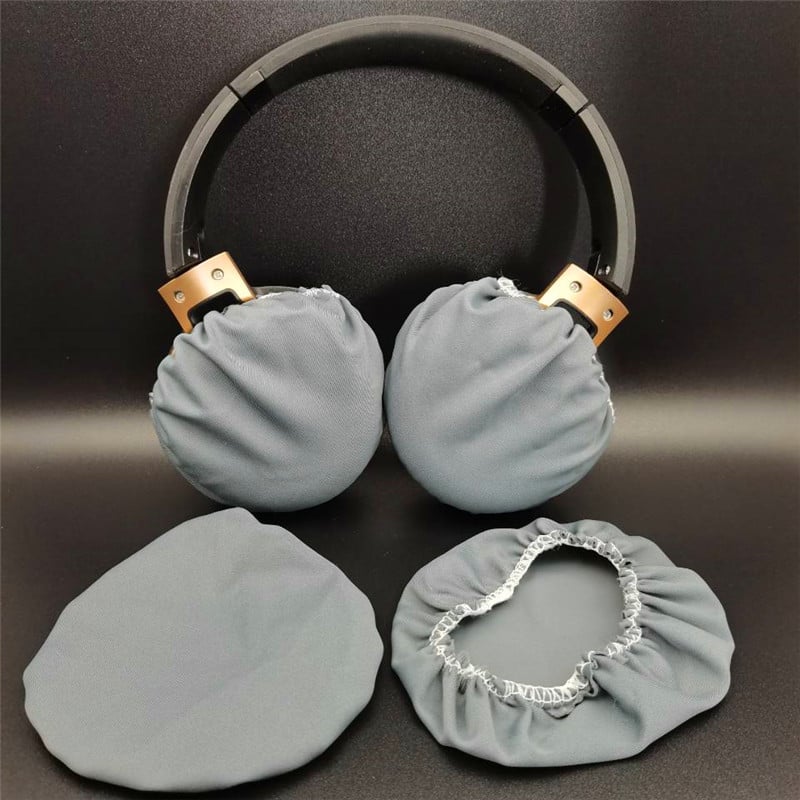
Understanding MRI Acoustic Noise: Causes and Patient Impact
MRI machines produce extremely loud sounds that go over 100 decibels because the gradient coils inside vibrate so fast during scans. This kind of noise makes people uncomfortable physically and stressed mentally, something that happens to around 8 out of 10 patients based on research published last year in the Journal of Radiology. Kids tend to get much more anxious than adults when they hear these noises, and older folks often complain about dizziness and ringing in their ears after scans. When patients move involuntarily due to the noise, it creates blurry images that doctors have trouble reading. The National Institute of Health found that this problem reduces the quality of brain scans by roughly 30 percent. Hospitals deal with these issues all the time, which means longer scan times or having to do them again later. A recent Ponemon report estimated that dealing with noise related problems costs medical facilities about seven hundred forty thousand dollars each year just for extra work and equipment wear.
How MRI Headphone Cover Provides Effective Passive Noise Attenuation
The MRI headphone covers typically cut down noise by around 15 to 25 decibels thanks to their layered composite materials that work to soak up and quiet sounds. Made from special non-ferromagnetic polymers that let radio frequencies pass through, these covers won't mess with the scanner's magnetic field and can be used safely on machines ranging from 1.5 Tesla all the way up to 7 Tesla strength. Inside, there's an acoustic foam that takes care of vibrations, and outside sits a water-resistant layer that does a good job at taming those high-pitched noises we hear most during scans, especially between about 500 Hz and 2 kHz where the machine tends to get really loud. When someone puts these covers correctly over standard MRI compatible headphones, they usually bring the noise level down below 80 dB, which is actually beneath what OSHA considers necessary for mandatory hearing protection. What's nice is that people can still hear clearly enough for important communications during procedures without any loss in audio quality.
Improving Patient Experience: Lower Anxiety, Fewer Motion Artifacts, Higher Scan Completion Rates
MRI headphone covers make a real difference for both patients and clinics alike. They cut down on all that loud noise which helps calm nerves, keeps people still during scans, and generally means more completed exams without interruptions. According to research from last year across multiple centers, kids finished their MRI scans 22 percent more often when wearing these covers. Older adults saw about a third fewer issues caused by movement too. What's interesting is that patients consistently rated their stress levels about half what they normally would during imaging sessions, and doctors noticed heart rates and breathing stayed more stable throughout. Clinics benefit as well since appointments take less time overall, allowing facilities to handle around 15% more patients per day. Fewer repeat scans mean better diagnosis quality, something that matters most in urgent situations such as strokes where clear images without motion blur can literally save lives.
Material and Design Standards for Safe, High-Performance MRI Headphone Cover
Non-Ferromagnetic, RF-Transparent Materials Validated for 1.5T and 3T MRI Systems
MRI headphone covers designed for high performance are made using special polymer blends that pass all the necessary safety checks and work requirements. The materials used aren't magnetic at all, so there's no risk of them becoming projectiles near the scanner, plus they don't mess with image clarity. What makes these covers really good is how they let radio signals pass through freely, which means patients can hear instructions clearly without any interference during their scan time. These products have been tested thoroughly on both 1.5 Tesla and 3 Tesla machines. When it comes to noise reduction, tests show they block over 25 decibels of sound across most frequencies people actually hear, well beyond what's needed. They also follow the ASTM F2503-20 guidelines for MRI safety. The fabric has properties that stop bacteria from getting inside while still letting sounds come through as intended. Testing shows they handle heat changes too, working reliably even when temperatures rise about 40 degrees Celsius due to those powerful magnetic gradients. This kind of reliability matters a lot during long scanning sessions where equipment failure isn't an option.
Clinical Evidence Supporting MRI Headphone Cover Effectiveness
Reduced Motion Artifacts in Pediatric and Geriatric Patients: Results from a 2023 Multicenter Trial
In 2023, researchers looked at 12 different hospitals and discovered something interesting about MRI scans. When kids between 3 and 12 years old and adults over 65 wore special headphone covers during their MRIs, there was a noticeable drop in movement - around 42% less compared to when they didn't have them. The quieter environment made a big difference too. Radiologists saw that motion artifacts in brain images dropped by about 31%, which means clearer pictures overall. Getting good results on the first try became much easier too. With those covers, nearly 9 out of 10 scans completed successfully without needing repeats, whereas only about two thirds finished properly with regular headphones. What this shows is pretty straightforward: reducing noise passively helps keep patients still during scans, especially important for young children and elderly folks who often struggle with staying motionless inside the MRI machine.
FAQ: MRI Headphone Cover
What are MRI headphone covers made of?
MRI headphone covers are made from non-ferromagnetic polymers and acoustic foam designed to effectively reduce noise transmission while allowing radio frequencies to pass through.
Do MRI headphone covers affect the MRI scan?
No, MRI headphone covers do not interfere with the MRI scan. They are made from materials that do not impact the scanner's magnetic field or image clarity.
How much noise reduction can I expect with MRI headphone covers?
MRI headphone covers typically reduce noise by about 15 to 25 decibels, bringing the noise level down to below 80 dB, which is under the OSHA threshold for mandatory hearing protection.
Are there any cleaning protocols for MRI headphone covers?
Yes, MRI headphone covers should be sterilized using hospital-grade disinfectants that are validated for non-ferromagnetic materials. They should be replaced between patients to prevent cross-contamination.
 EN
EN