EN
EN

How-to-put-on-disposable-gear-knob-cover-correctly, How-to-put-on-disposable-gear-knob-cover-correctly, /news
EN
2026/02/14
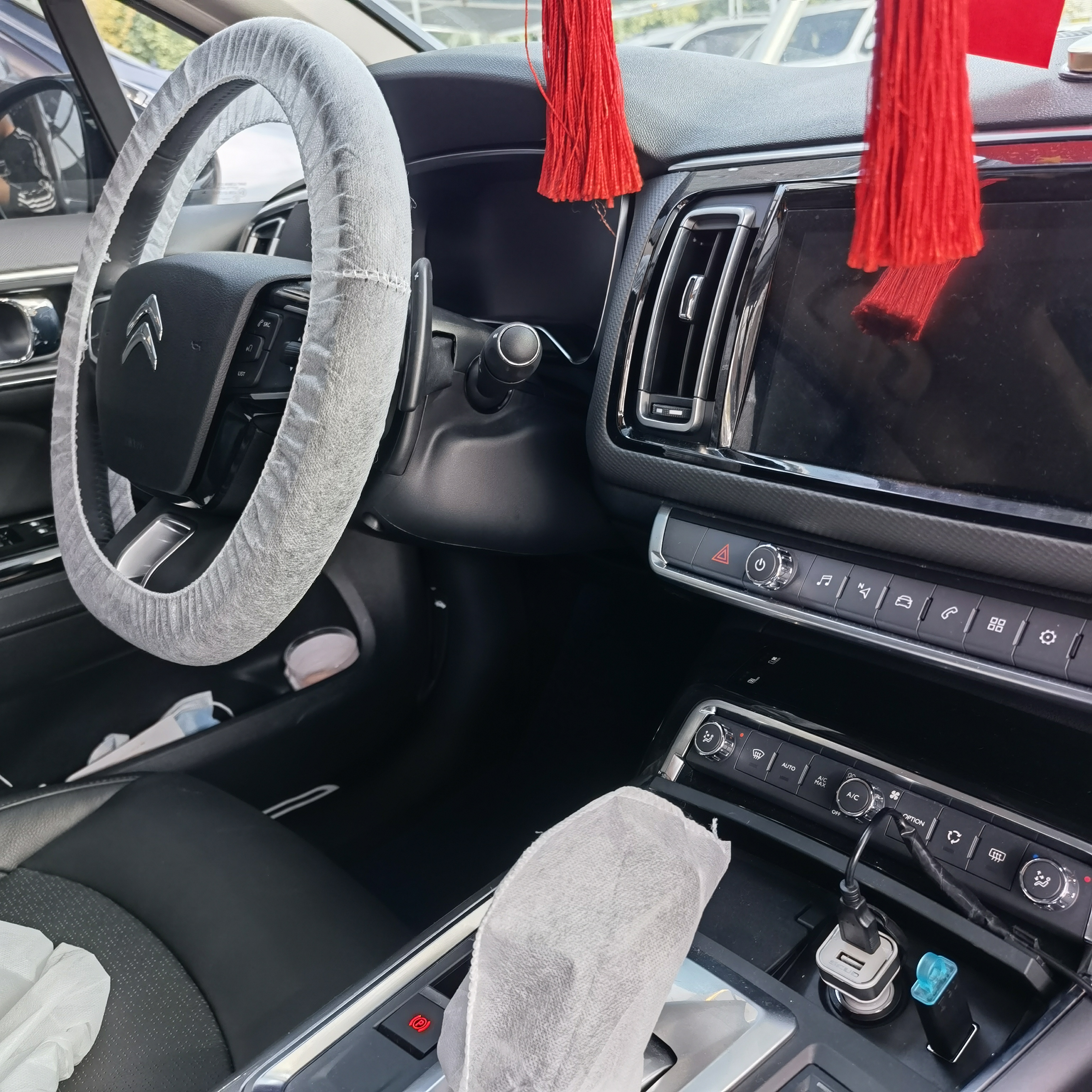
The gear knobs inside ambulances and those medical transport vans get touched way more than we realize, sometimes upwards of 30 times during a single shift by different staff members. When these disposable covers aren't put on right, they tend to tear at the edges, creating little gaps where dangerous germs can pass through. We're talking about serious pathogens here, stuff like C. diff and norovirus making their way around. The World Health Organization did some field research last year and discovered something alarming: out of all the gear knobs that weren't properly covered, about 70% had these drug-resistant bugs hanging around. But when people actually took the time to apply the covers correctly, that number dropped dramatically to just 8%. This matters because during emergencies, especially after paramedics take off their gloves following patient contact, these contaminated knobs become direct infection routes if someone grabs them next.
Regulators in healthcare insist on maintaining barrier integrity across all surfaces that get frequent contact, according to both CDC and WHO infection control standards. Hospitals and clinics can face serious fines if they don't follow OSHA rules about bloodborne pathogens. The maximum penalty is around $50,000 for each violation. When covers tear or come loose, staff members become vulnerable to contamination risks. Getting the right tension on these covers matters a lot. The seams need to line up properly too. This helps keep the disposable gear knob cover sterile during transportation shifts. Meeting this requirement satisfies what the Joint Commission looks for during audits regarding proper documentation of PPE protocols.
Proper application ensures optimal infection control in medical transport vehicles. Follow this validated technique to maintain barrier integrity during emergency response scenarios.
Start by cleaning the gear knob surface properly with an EPA approved wipe to get rid of any dirt, grime, and germs. Let the disinfectant sit for at least 30 seconds as recommended on the packaging before wiping it dry. Next step is measuring the knob's diameter accurately either with calipers or using whatever sizing guide came with the product. Getting the size right matters a lot actually – if the cover is too small it might tear when putting it on, but going too big means it won't stay tight and could slide around while driving. Most standard options fit between 40 to 60 millimeters, which matches what most ambulance manufacturers specify in their technical documents anyway.
Grab the disposable gear knob cover by the reinforced edge and pull it up over the top of the knob first. Keep even pressure as you work it down in a smooth spiral pattern to get rid of any trapped air bubbles. Make sure the stretchy bottom part sits completely under the knob's flange so there's full contact all around the circle without any creases or spaces showing. According to some recent studies from 2023 on EMS contamination issues, those little folds that are more than 2 millimeters deep can actually trap germs and become breeding grounds for bacteria growth.
Conduct a three-point inspection before deployment:
Reject any installation showing >5% transparency (a sign of over-thinning) or resistance during shifting. Document compliance using standardized checklists aligned with Joint Commission expectations.
Excessive force during installation creates invisible microtears that undermine barrier efficacy–increasing contamination risk by up to 40%, according to the Healthcare Infection Journal (2024). To preserve material integrity:
A relaxed, snug fit–not tautness–is the hallmark of proper application. Replace overtightened covers immediately.
Twisted seams and unsecured edges generate folds and gaps where microbes accumulate. Research published in Infection Control Today (2023) shows misaligned covers harbor 67% more contaminants than properly oriented ones. Correct these issues with targeted adjustments:
| Problem | Solution |
|---|---|
| Twisted seams | Rotate the cover to align the seam vertically with the gear selector’s neutral position |
| Wrinkled edges | Smooth outward from the center in all directions, eliminating ripples |
| Gaps near base | Tuck excess material fully under the knob collar to seal the perimeter |
Always verify coverage by rotating the knob freely post-installation–and cross-check seam orientation against alignment markings if included on the cover or packaging.