EN
EN

How-to-install-disposable-steering-wheel-cover-easily, How-to-install-disposable-steering-wheel-cover-easily, /news
EN
2026/01/16
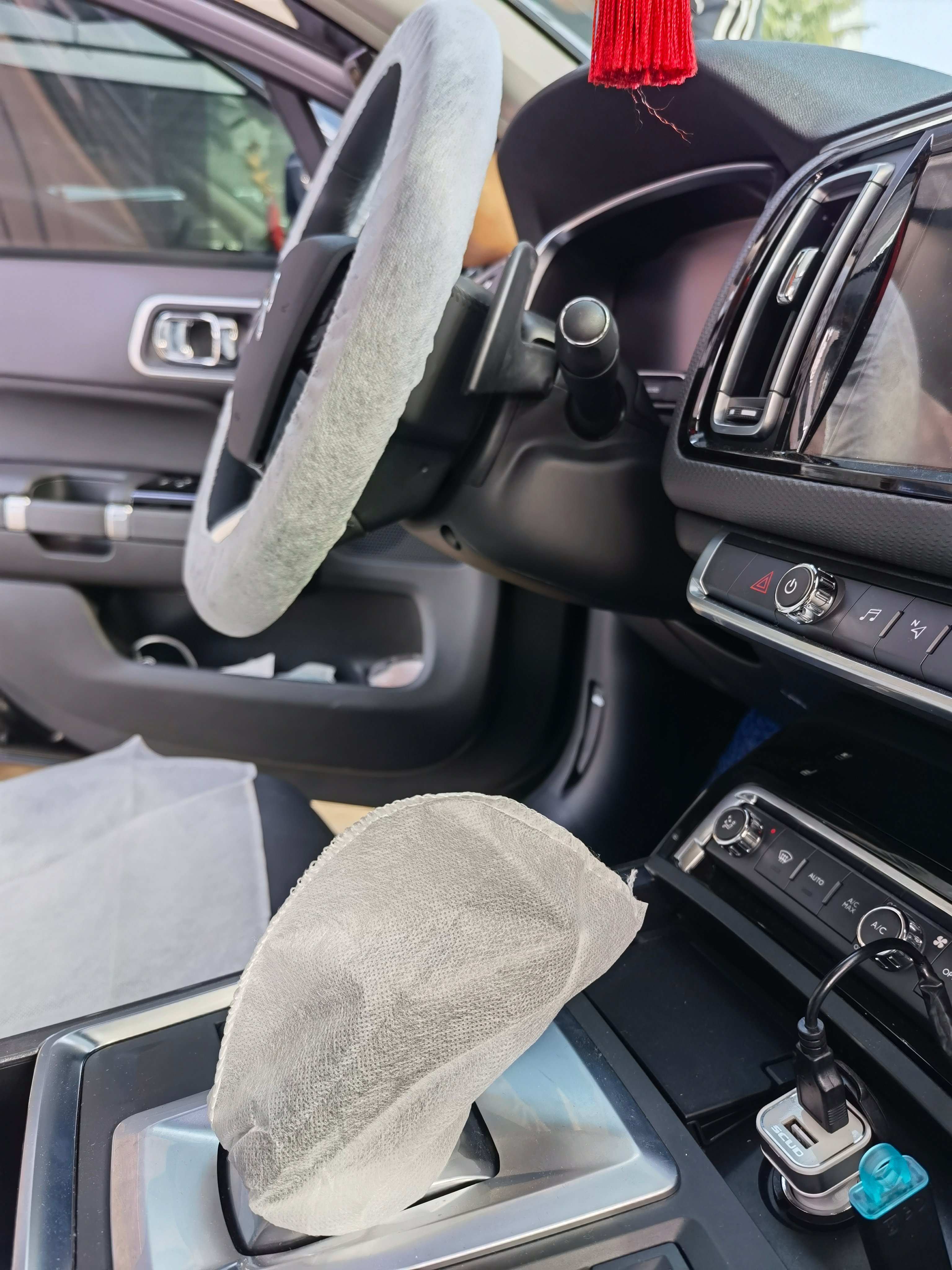
Getting a disposable steering wheel cover right isn't just about looking good behind the wheel. It actually matters a lot for staying safe on the road and keeping control of the car. If the cover slips around when making tight turns, drivers lose grip on the wheel which makes accidents more likely. According to studies by NHTSA, about 12 percent of avoidable crashes happen because people have stuff attached to their steering wheels that wasn't put on properly. Another thing to watch out for is making sure covers don't block airbags or interfere with horn buttons since this could slow down reaction times during emergencies. When done right though, these cheap covers protect against dirt and grime without messing with how the wheel feels or works. Taking time to fit them correctly means what started as an inexpensive fix stays exactly that instead of turning into something dangerous later on.
Before putting on any disposable steering wheel cover, give the wheel a good cleaning first. Grease, dust, and oil buildup can be wiped away with a microfiber cloth dampened with 70% isopropyl alcohol. These leftover substances make the cover slip around while driving which isn't safe at all. Let everything dry naturally without rushing it. If there's still moisture hanging around, the cover won't stick properly and might come loose later. Worse yet, wet surfaces become breeding grounds for bacteria over time. Taking this extra minute or two ensures better hold and keeps things cleaner for longer periods between replacements.
Getting accurate measurements matters a lot when it comes to finding the right fit. Grab a flexible measuring tape and check out your steering wheel's outer diameter where it gets widest usually around the rim area. Once you have that number, cross reference it against what the manufacturer lists on their size chart. Getting this wrong can cause problems both ways really. If the cover stretches too much, there's a higher chance of tearing. But if it's too loose, the cover might slip while driving which creates safety issues. Standard disposable covers generally work best for wheels measuring about 14 to 15 inches across. People with bigger wheels or those who installed aftermarket parts will probably need something specially made to fit properly.
How flexible the material is plays a big role in whether an installation goes smoothly or ends in frustration. When covers get too cold, they become rigid and hard to stretch out, which makes them prone to tear during installation. A good rule of thumb is to keep covers stored somewhere around normal room temperatures, ideally between 68 and 77 degrees Fahrenheit, for at least half an hour prior to working with them. Vinyl types benefit from being warmed up just a bit first. Most people find that running a hair dryer on low setting works well, but be careful not to go above 100 degrees Fahrenheit as this can actually damage the material. This gentle warming helps create better tension distribution throughout the seams and minimizes those weak spots where problems tend to start developing down the road.
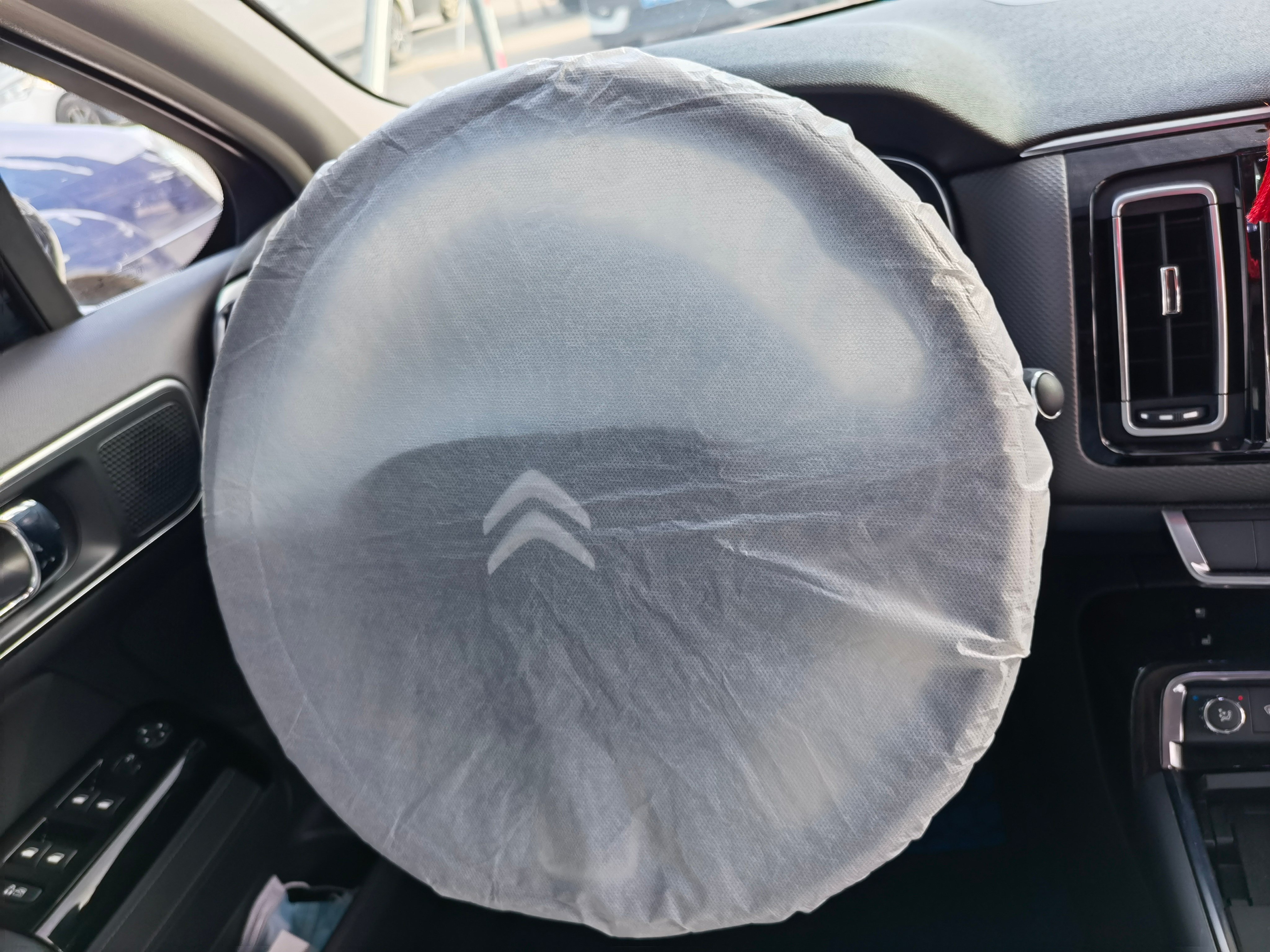
First thing's first, make sure the cover sits right in the middle of the steering wheel. All those cutouts need to line up perfectly with where the airbags are located and the horn buttons too. Getting this wrong even just a little bit could block access or stop airbags from working properly. According to research from the Insurance Institute for Highway Safety, around 9 out of 10 problems with airbags caused by accessories happen because covers aren't positioned correctly. Now slowly turn the cover bit by bit until everything fits snugly over the parts that actually work. Take a good look at it all then give each button a gentle press to check they're not blocked and feel normal when touched.
To get good results, apply steady but not too tight pressure with the thumb and palm technique. Hold one side down solidly with the palm of the hand while gently pulling outwards on the other part with the thumb. Move around in roughly three inch sections going clockwise, making sure the tension spreads out evenly so nothing gets stretched too thin or stressed out along the seams. Materials tend to stretch much better when they're warm between about 70 and 80 degrees Fahrenheit according to some tests I've seen, which helps everything lay down smoothly without wrinkles. When the material is properly positioned, fold any extra fabric underneath the inside edge of the rim. This keeps things looking neat, maintains proper grip on the wheel, and stops it from moving around when someone turns the steering wheel.
After putting everything together, give the horn a good test press across different parts of the steering wheel top, bottom, and sides included. At the same time check out what's happening around the center hub spot where the airbags deploy later. Even though quality products should leave those critical spots clear, sometimes things get misaligned during installation which could block airbag movement when needed most. Don't skip this step folks it really matters for keeping control of the vehicle and making sure safety systems work properly in case something goes wrong on the road.
Do steering checks at low speed when the car isn't moving. Turn the wheel all the way left then all the way right and watch out for anything strange happening with the steering mechanism. Look for signs like parts bunching together, sliding around, or feeling loose. When everything's installed correctly, the steering should stay put and respond naturally without slipping or warping. If something feels off track, try adjusting it with fingers and palm instead of just yanking on it. This last step really tells what happens in actual driving conditions. Good grip stays consistent, comfort isn't compromised, and drivers maintain full control even when making those unexpected quick moves on the road.