EN
EN

How-to-check-MRI-headset-cover-for-integrity-before-use, How-to-check-MRI-headset-cover-for-integrity-before-use, /news
EN
2026/02/06
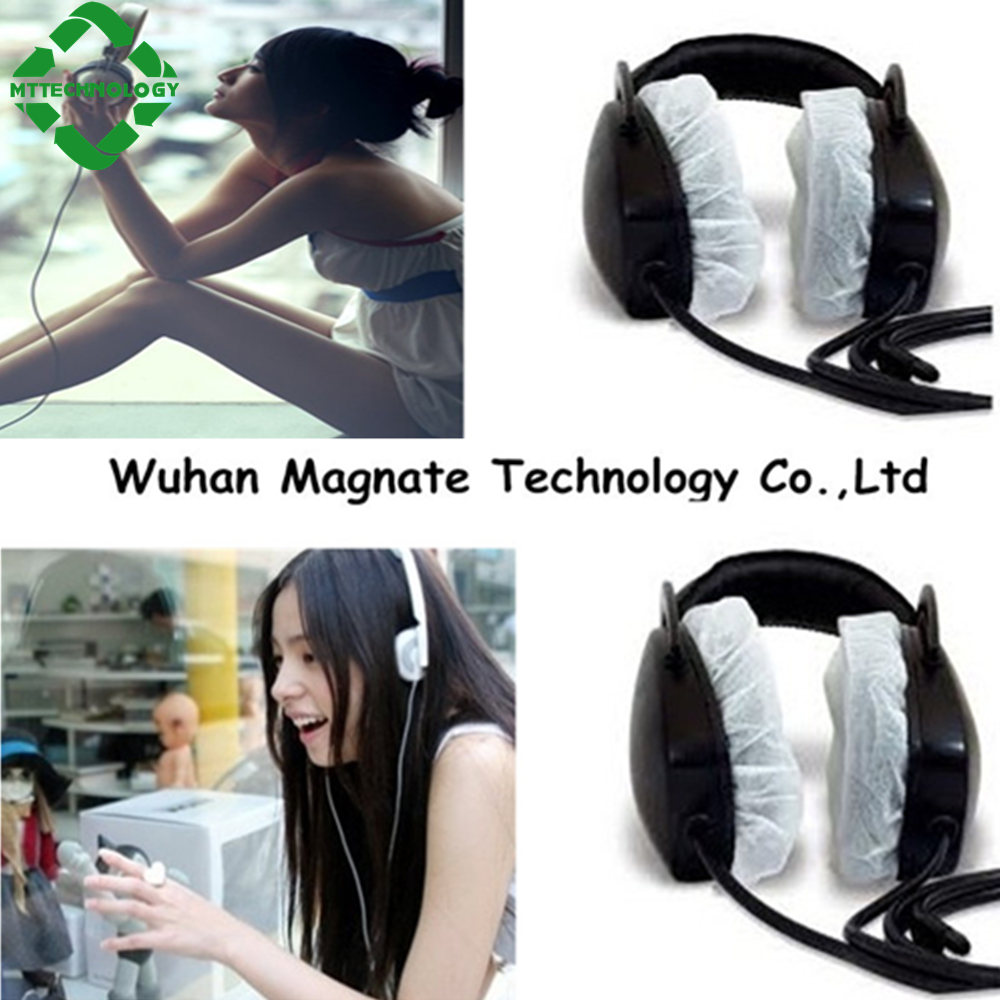
When an MRI headset cover gets damaged, there are actually two big problems that come up at once: risks to patient safety and potential harm to expensive equipment. Small tears or broken seams in these protective barriers mean patients might be exposed to germs left behind by earlier users, which definitely raises the chances of getting infections during long scanning sessions. At the same time, water getting inside through cracked covers starts eating away at delicate parts of the headset. Clinical engineers have found that fixing this kind of damage typically costs around $18,000 each time it happens. The situation becomes even worse in high strength MRI machines (those above 1.5 Tesla). Even tiny holes in covers can let metal bits get sucked in, turning them into flying debris that stops scanners cold. Keeping covers intact matters far beyond just stopping infections. Think about what happens when unsecured items suddenly shoot across the room at highway speeds toward the machine's opening. Routine checks help catch these issues before they spiral out of control, protecting both people and the bottom line for hospital operations.
Proper inspection of the MRI headset cover requires systematic visual and tactile evaluation to identify defects compromising safety.
Start by looking at the cover under good lighting from different angles. Holding it up to some bright light helps spot those tiny cracks that show up as thin lines of light running through the material. Take a closer look at the seams where threads might be coming apart. If there's any magnifying glass handy, use it here. Watch out for areas that have changed color compared to when the cover was brand new these changes often mean chemicals have started breaking down the material over time. Run fingers gently over every part of the surface to feel for anything rough or uneven that could indicate hidden damage. Whatever gets noticed should be written down right away before details get forgotten.
1 Light-backing technique reveals 92% of sub-0.5mm defects missed by frontal lighting (Materials Testing Journal 2023)
To check how elastic the cover is, stretch it sideways and watch how long it takes to bounce back to its normal shape. If it takes longer than three seconds to snap back, that probably means the material has started to wear out. For fitting tests, put the cover on a dummy headset. Look for any spaces bigger than 2 millimeters between the cover and headset, or if it slips around when moved. These signs point to deterioration over time. After sterilizing in an autoclave, notice if the material feels stiffer than before. Studies show these machines can cut down on elasticity by somewhere between 15% and 30% after about 50 uses according to research published last year. Any cover that fails these basic checks should be thrown away and replaced with a new one for proper function.
To check if those safety claims about MRI headset covers are legitimate, medical facilities need to look at three main things together: what's written in official regulations, what appears on the actual product labels, and whether there's proper tracking for each batch produced. The ASTM F2503 standard is basically the rulebook for how MRI safety should be labeled, requiring products to be clearly marked either MR Safe, MR Conditional, or MR Unsafe. Hospitals and clinics have to keep their test reports current to back up these classifications. When facilities skip this step and go with unverified safety info, they're putting patients in real danger and risking serious damage to expensive equipment. We're talking about potential costs that can easily surpass seven hundred forty thousand dollars per accident according to Ponemon Institute research from last year.
Each MRI headset cover's lot number serves as a traceability lifeline to its safety validation. Match this identifier (typically on packaging or device labels) to:
Without this traceability chain, MRI headset covers cannot be reliably considered MRI-safe.
An incident at St. Mary's Medical Center back in 2023 shows just how serious problems can get when MRI headset covers aren't properly checked. A woman undergoing a regular brain scan ended up with temporary hearing damage because there was actually a tiny tear in her headset cover. This let those really loud noises from the MRI machine (around 120 decibels) get through while she was being scanned. The torn cover had slipped past visual checks since the lights weren't bright enough in the room. As a result, the hospital paid out $740k in compensation and couldn't run their MRI machines for nearly three weeks straight. Looking into what went wrong, investigators found three main issues: staff hadn't been trained well enough to check covers by touch, nobody tested if the covers still worked after sterilizing them, and no one bothered to look at whether each batch met the ASTM F2503 standards. After making some changes like adding a second person to inspect each cover, they saw a dramatic drop in problems - down 92% over half a year. What this teaches us is simple but important: checking those headset covers thoroughly isn't optional. Hospitals need to take these inspections just as seriously as they do other MRI safety protocols. Patient safety comes first, always.