EN
EN

Why-replace-disposable-gear-knob-cover-after-each-rental, Why-replace-disposable-gear-knob-cover-after-each-rental, /news
EN

2026/02/17
Հետազոտությունները ցույց են տալիս, որ մեքենաների մակերեսների վրա աղտոտվածության մակարդակը 23%-ից մինչև 100% է (APIC 2015): Մանրէները շատ ավելի երկար են մնում, քան մարդկանց մեծ մասը կարծում է: Օրինակ՝ նորովիրուսը կարող է ակտիվ մնալ պլաստիկի վրա մինչև յոթ ամբողջ օր, մինչդեռ գրիպի վիրուսները վարակիչ են մնում երկու օր անընդմեջ (Vanguard Ozarks 2025): Երբ հիվանդանոցները ստուգեցին վարձակալված մեքենաները, նրանք հայտնաբերեցին, որ յուրաքանչյուր հաճախ դիպչվող տարածքում մանրէներ են աճում՝ չնայած կանոնավոր մաքրմանը (News-Medical 2022): Խնդիրն ավելի է սրվում, քանի որ ձեռքերի քրտինքն ու յուղը իրականում օգնում են մանրէներին ավելի արագ տարածվել՝ ստեղծելով համառ բիոթաղանթներ, որոնք, ըստ էության, խաթարում են մանրէներից պաշտպանվելու համար նախատեսված միանգամյա օգտագործման ծածկոցների նպատակը:
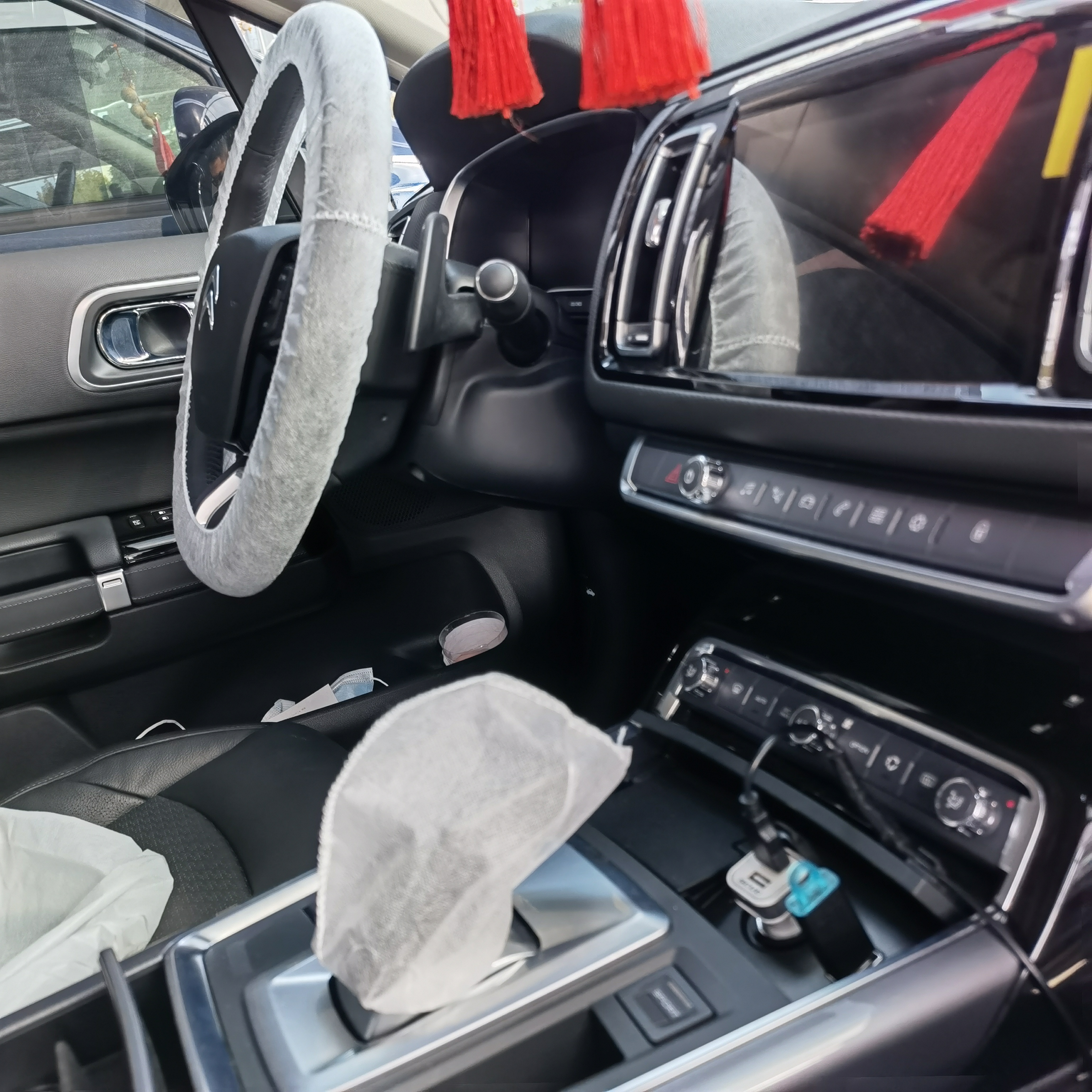
Աշխարհի տարբեր մասերում առողջապահական փորձագետները շարունակում են ընդգծել, որ աղտոտված առարկաների միջոցով վարակի տարածումը կանգնեցնելու համար անհրաժեշտ է մի քանի մոտեցումների միաժամանակյա կիրառում՝ սահմանված հերթականությամբ: CDC-ն ունի այսպես կոչված «Վտանգների վերահսկման հիերարխիա» ամբողջական համակարգ, որտեղ վտանգների լիարժեք վերացումը նախապես առաջնային է, իսկ միայն այդ հետո են կիրառվում այլ մեթոդներ, որոնք կարող են ավելի քիչ արդյունավետ լինել: Նաև Համաշխարհային առողջապահական կազմակերպության (ՀԱԿ) անցյալ տարվա վերջին տրված վերջին ուղեցույցներում նշված դրույթները տրամապես հիմնավորված են: Դրանք հատկապես առաջարկում են մտածել այն նյութերի մասին, որոնք կանգնեցնում են ձեռքերի անմիջական շփումը մակերեսների հետ՝ օրինակ՝ վարձակալվող մեքենաների կամ տաքսիների դեպքում, որոնք օրվա ընթացքում օգտագործվում են տարբեր անձանց կողմից: Հենց այդ պատճառով էլ յուրաքանչյուր հաճախորդից հետո փոխել փոխանցման տուփի պլաստիկ ծածկույթը բավականին կարևոր է: Պարզապես սպիրտով մաքրելը ամբողջությամբ չի բավարարում, քանի որ միկրոօրգանիզմները հաճախ մնում են անգամ մաքրումից հետո՝ հատկապես այն մակերեսների վրա, որոնք արտաքնապես ամբողջական չեն կամ այլ կերպ այրված/մաշված են:
Միասնական առևտրային օրենսգրքի 2-314-րդ բաժնում նշվում է, որ երբ որևէ մեկը վարձակալության է տալիս մեքենա, դա ավտոմատաբար նշանակում է, որ այն ապահովված է անվտանգ և մաքուր օգտագործման համար։ Երբ վարձակալության ընկերությունները կրկին օգտագործում են մեկանգամյա օգտագործման համար նախատեսված փոխանցման շարժակազմի ծածկույթները, նրանք խախտում են այդ պարտավորությունը, քանի որ մարդիկ մանրէների և բակտերիաների պատճառով ենթարկվում են խուսափելի առողջապահական ռիսկերի։ Դիտարկենք հետևյալ փաստը. Ամերիկայի 42 նահանգներում այս տիպի անտեսումը տեղի օրենսդրությամբ համարվում է անմիջական ապացույց անտեսման մասին։ Փորձեք մտածել. եթե նույնիսկ մեկ վարձակալված մեքենայում որևէ տեղ աղտոտված է շփման կետը, դա կարող է հանգեցնել մեծ չափի հատուցման պահանջների՝ տարբեր սպառողային իրավունքների օրենսդրությունների համաձայն։ Եվ այս դեպքերը արագ համարվում են հիմնավորված, երբ սպառողները հիմնավորված սպասում են մաքրության, սակայն ստանում են հակառակը։
2023 թվականի վճիռը «Սմիթ ընդդեմ ԴրայվՍեյֆ Ռենթալս» հատուցում շահագործեց 740 000 դոլար այն սպառողի համար, ով վարակվել էր Ոսկե ստաֆիլոկոկ վերաօգտագործված ծածկոցից (Ponemon, 2023 թ.)։ Դատարանները հաստատել են, որ ծածկոցի փոխարինման բացակայությունը բավարարում է անտեսման իրավական չափանիշին։ Հիմնական եզրահանգումներն են՝
Այս նախադեպը հաստատում է, որ հիգիենայի ոլորտում գործառնական ծախսերի կրճատումը իրավաբանորեն անպաշտպանելի է՝ իսկ անընդհատ փոխարինումը միակ պաշտպանելի խնամքի ստանդարտն է
Յուրաքանչյուր մեկական ծախսը 0,38 դոլար լինելով՝ վարձակալության յուրաքանչյուր դեպքից հետո մեկանգամյա փոխարինվող փոխանցման շարժակազմի կոճակի ծածկոցի փոխարինումը ապահովում է անմիջական և բազմապատիկ վերադարձ։ Հիգիենայի վերաբերյալ բողոքի լուծման 1200 դոլար միջին ծախսը նշանակում է, որ շահագործողները պետք է խուսափեն ավելի քան 3150 բողոքից արդարապատկել կրկին օգտագործումը՝ սակայն դա վիճակագրական անհնարին է, հաշվի առնելով սպառողների գիտակցության աճը և դատական վարույթների միտումները։
Ուշադրությունը շեղելով միայն սկզբնական ծախսերից՝ սարքավորումների վաղաժամկետ փոխարինումը (մինչև դրանք ձախողվեն) իրականում պաշտպանում է բրենդի պատկերը, պահպանում է հաճախորդների հավատարմությունը և խուսափում է ապագայում ստանալ կարգավորող մարմինների կողմից կիրառվող սահմանափակումներից։ Երբ մակերեսների վրա, որոնց հաճախ են հպվում, սկսում են տարածվել միկրոօրգանիզմները, այդ ենթադրյալ խնայողությունները արագ անհետանում են՝ դիմագրավելով վարույթների, վատ լրատվամիջոցների հաղորդագրությունների և ավտոմեքենաների անշարժ մնալու պատճառով, որոնք ստիպված են կանգնել մի բանի ձախողման պատճառով։ Նյութերը նույնպես չեն տևում անսահմանափակ ժամանակ։ Այն ծածկույթները, որոնք չափից շատ են կրկին օգտագործվում, հաճախ անսպասելիորեն կոտրվում են, ինչը նշանակում է ավելի շատ ձախողումներ ընդհանրապես և իրական դժվարություններ պահեստային մասերի պաշարների կառավարման մեջ։ Պարբերաբար կատարվող փոխարինումները նշանակում են ավելի քիչ անսպասելի իրադարձություններ, ավելի հեշտ մատակարարման շղթայի կառավարում և վերածում են այն բանը, որը մինչ այդ պարզապես մեկ այլ ստուգման կետ էր, իրական առավելության՝ մրցակիցների նկատմամբ, որոնք չեն մտածում այդքան հեռահայաց։
Մեկանգամյա օգտագործման համար նախատեսված մեխանիզմների կոճակների ծածկույթները մշակվել են մեկանգամյա օգտագործման համար՝ և ISO 10993-5 կենսահամատեղելիության փորձարկումները հաստատում են, թե ինչու է կրկնակի օգտագործումը վտանգավոր։ Մաշկի և քրտնության սկզբնական ազդեցությունը առաջացնում է պլաստիֆիկատորների արտահանում և պոլիմերային շղթաների քայքայում, ինչը նվազեցնում է ձգման ամրությունը 18–32%-ով սա մեխանիկական թուլացումը հանգեցնում է հետագա օգտագործման ժամանակ վաղաժամկետ ճեղքվելու։
Ավելի կրիտիկական է, որ ցիտոտոքսիկությունը մեծանում է կրկնակի օգտագործումից հետո 400%-ից ավելի քրտնության մնացորդները փոխազդում են մակերևույթի պոլիմերների հետ՝ արտահանելով մաշկի գրգռիչներ, ինչպես օրինակ՝ ֆտալատներ և բիսֆենոլներ, որոնք ISO-ի վալիդացման պրոտոկոլների համաձայն առաջացնում են բորբոքային մաշկային ռեակցիաներ օգտագործողների 12%-ի մոտ։ ստանդարտը պարտադրում է մեկանգամյա օգտագործման սերտիֆիկացիա, քանի որ կրկնակի ազդեցության դեպքում չի կարող երաշխավորվել ո՛չ կառուցվածքային ամբողջականությունը, ո՛չ էլ կենսաբանական անվտանգությունը։
| Դեգրադացման գործոն | Սկզբնական օգտագործում | Կրկնակի օգտագործումից հետո | Վտանգի մեծացում |
|---|---|---|---|
| Ձգման ամրություն | 100% | 68–82% | 18–32% կորուստ |
| Ցիտոտոքսիկություն | <0.5% | >2.0% | 400%+ |
| Մակերևութային ճեղքեր | Ոչ մեկը | Միկրոսկոպիկ | Վերականգնելի չէ |
Այս վնասվածքները անտեսանելի են վարձակալների համար, սակայն միկրոսկոպիկ ճեղքերը բակտերիաներ են պահում և մանրաթելեր արտադրում ձեռքերի վրա: Արդյունքում ստացվում է երկակի վտանգ. խախտված պաշտպանիչ ֆունկցիա և բարձրացված կենսաբանական վտանգ: Յուրաքանչյուր վարձակալությունից հետո փոխարինումը ոչ միայն լավագույն պրակտիկա է, այլև անպայման պահանջվող պայման է անվտանգության և համապատասխանության համար: