EN
EN

Adjust-disposable-gear-knob-cover-for-a-tight-fit, Adjust-disposable-gear-knob-cover-for-a-tight-fit, /news
EN
2026/02/08
Hoe goed 'n wegwerpversnellingshendeldekking pas, maak al die verskil wanneer dit kom by veiligheid, om dinge skoon te hou en om seker te maak dat alles behoorlik werk. Wanneer dekkings te los is, gly hulle geneig om rond te skuif terwyl versnellings verander word, wat bestuurders aflei en tot ongelukke kan lei. Sekere navorsing uit 2023 dui daarop dat die risiko van ongelukke met hierdie glyende dekkings met ongeveer 19% styg, volgens studies wat deur mense van die Human Factors and Ergonomics Society gedoen is. Styfpassende dekkings keer ook die oordrag van siekteskieme, iets wat baie belangrik is in motors wat deur verskeie mense gebruik word, aangesien bakterieë op hierdie gereeld aangeraakte areas bly vasplak. Die syfers ondersteun dit ook, met toetse wat wys dat goedgepasde dekkings vuilheid en modder met ongeveer 89% verminder in vergelyking met hul losse teenvoeters.
Om die uitlyning reg te kry, maak 'n wêreldverskil in hoe ratte voel wanneer hulle gekies word. Die meeste bestuurders ontwikkel spiersgeheue rondom hul verskuiwingpatrone, dus enige klein beweging van die deksel versteur daardie vertroude sensasie. Deksele wat stewig pas, gaan gewoonlik baie langer duur omdat hulle nie soveel teen die knop wryf nie. Wanneer deksele teen knoppies draai, vind slytasie vinnig plaas by daardie drukpunte. Dit lyk nie net sleg nie, maar dit kos ook geld. Die verslete areas word broeiplekke vir stof en vuilheid, wat niemand in sy of haar motor wil hê nie.
Belangrike voordele van 'n optimale pasvorm sluit in:
Sonder die regte spanning versuim wegwerpdeksele hul kerndoeleindes: beskerming en prestasie. Die regte pasvorm transformeer hulle van bloot toebehore na noodsaaklike veiligheidskomponente.
Dit is baie belangrik om akkurate metings te kry as ons wil hê dat iets stewig moet pas. Wanneer die oordekking behoorlik pas, voorkom dit dat dinge rondskuif, hou dit bakterieë buite en laat dit alles langer duur. Om te begin, meet die wydste deel van die versnellingshendelknop. Digitale skyfmaatstokke werk die beste, maar ’n goeie gehalte lintmaat sal ook werk. Onderskat nie klein verskille nie. ’n Verskil van net 1 of 2 mm kan werklik ’n groot verskil maak in hoe stewig dit bly vas sit. Neem dan kennis van die werklike vorm van die knop. Sommige is rond soos balle, ander reguit soos silinders, terwyl baie ’n versmalmende vorm het wat na die punt toe smal word. Elkeen van hierdie vorms vereis ’n effens ander oordekkinggeometrie sodat daar geen vervelig voue of spasies is waar vuilheid kan versamel nie. Die materiaal wat ons kies, tel ook. Silikoon-oordekkinge hanteer spanning anders as dié wat sonder latex gemaak word. As hierdie besonderhede ignoreer word, kan dit later probleme veroorsaak soos dat oordekkinge onverwags losraak, dat kontaminante binnekom of dat versnellingsveranderinge minder presies voel as wat dit behoort te wees.
| Parameter | Gereedskap | Toleransiedrempel | Impak van Mismatch |
|---|---|---|---|
| Deursnee | Digitale skuifmaat | ±1mm | Glyding/verskeuring |
| Kontuurprofiel | Profielmaatstok | Visuele pasvorm | Rimpeling/lugkompartemente |
| Oppervlakte Tekskuur | Haptiese inspeksie | N/A | Aanhegtingsmislukking |
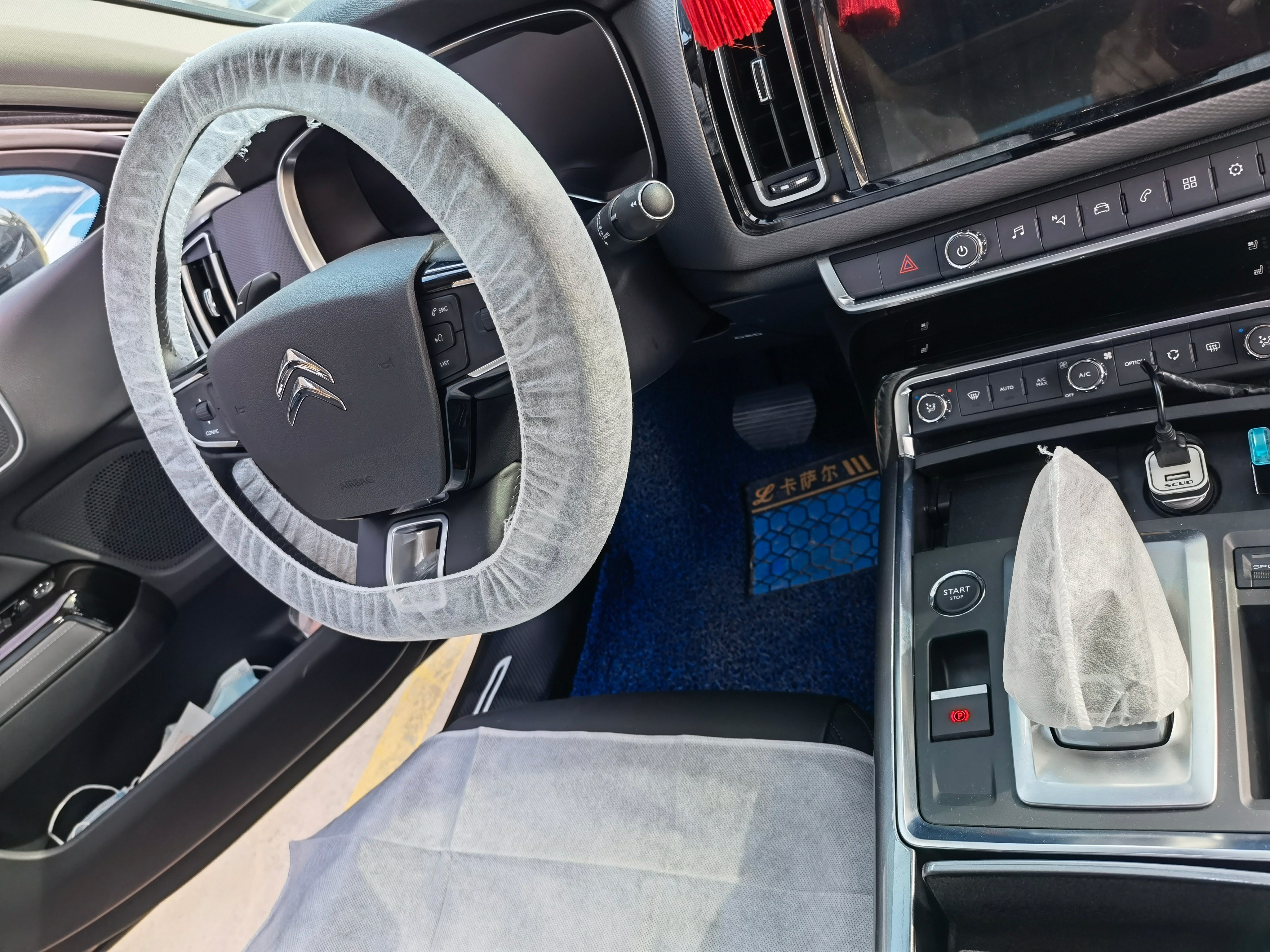
Om daardie termoplastiese oorde gereed te maak vir installasie, verhit dit sagkens met 'n verhittingspistool wat nie hoër as 200 grade Fahrenheit ingestel is nie. Die materiaal word buigsaam binne ongeveer 'n halfminuut, wat dit moontlik maak om die oorhoes oor daardie ingewikkelde, ongelyke knopoppervlaktes uit te rek. Wanneer die plastiek weer begin afkoel, krimp dit terug in posisie en vorm iets wat baie na aan 'n pasmaakpasvorm kom. Daar is verskeie goeie redes waarom hierdie metode goed werk. Eerstens vul dit daardie verveligende klein gapinge wat ontstaan omdat onderdele nie altyd perfek bymekaar pas nie, soos vanaf die fabriek af. Tweedens bly ons onder die temperatuur waarby die materiaal werklik beskadig word. En laastens versprei die druk gelykmatig oor die oppervlak in plaas van om op een plek te konsentreer wat later kan breek. Onthou net om hierdie tegniek eers op 'n klein gedeelte van die item te probeer voordat jy dit volop toepas, sodat niemand met vertekende plastiek sit wat nie reggestel kan word nie.
Deur 'n rekbare spanningsband binne die rand van die oortreksel te plaas, kry ons daardie verstelbare kompressie wat ons nodig het. Neem 'n bietjie elastiese silikoon- of nylonkoord en trek dit deur die soomkanaal. Wanneer dit klaar is, trek dit styf met 'n glyknoop of een van daardie koordslotte wat mense deesdae gebruik. Wat maak hierdie metode so goed werk? Wel, dit hanteer ongeveer 'n 15% verskil in knopgroottes, laat ons dinge later weer vasdraai wanneer materiale begin loskom nadat hulle rondgestaan het, en versprei die druk mooi sonder om die oppervlak onder te krap. As mense die beste moontlike resultaat wil hê, moet hulle soek na bande wat hitte kan hanteer soortgelyk aan wat hul oortreksels in gereelde gebruik sal ervaar. 'n Bietjie ekstra denke hier dra baie by tot die versekering dat alles langer hou en oor die algemeen beter werk.
Om wegwerpbedieningsknopdeksels veilig op hul plek te hou, is daar sekere gereelde kontroles en basiese versorging nodig. Doen 'n vinnige aanvoeltoets een keer per week deur die deksel vas te pak en dit probeer draai of op en af te beweeg. Indien daar enige merkbare speelruimte van meer as ongeveer 2 tot 3 millimeter is, moet dit dadelik aangepas word. Wat die skoonmaak van hierdie deksels betref — wat werklik die leeftyd daarvan beïnvloed — gebruik slegs sagte, pH-neutrale seep en vee dit af met 'n sagte mikrovezel doek. Sterk chemiese skoonmaakmiddels breek met tyd die elastiese materiale af en veroorsaak dat dit vinniger vervorm as normaal. Sommige laboratoriumtoetse het getoon dat hierdie afskryf-effek baie beduidend kan wees. Laat alles volkome in die lug droog na skoonmaak voordat dit weer aangebring word, aangesien oorblywende vog die materiaal laat swel en uiteindelik sy vorm verloor.
Vervang die deksels elke 90–120 dae — of by die eerste tekens van:
Bergingstoestande het 'n beduidende impak op bewaring. Hou ongebruikte dekke in klimaatbeheerde omgewings (15–25°C / 59–77°F) met 'n vogtigheid van minder as 40%—ekstreme temperature veroorsaak dat termoplastiese polimere tot 30% van hul spanningbehoud verloor. Konsekwente onderhoud verseker optimale hidrologie en bedryfsveiligheid gedurende die dek se funksionele leeftyd.